**The Shadow Economy: A Nation Divided by Perception and Unseen Forces**
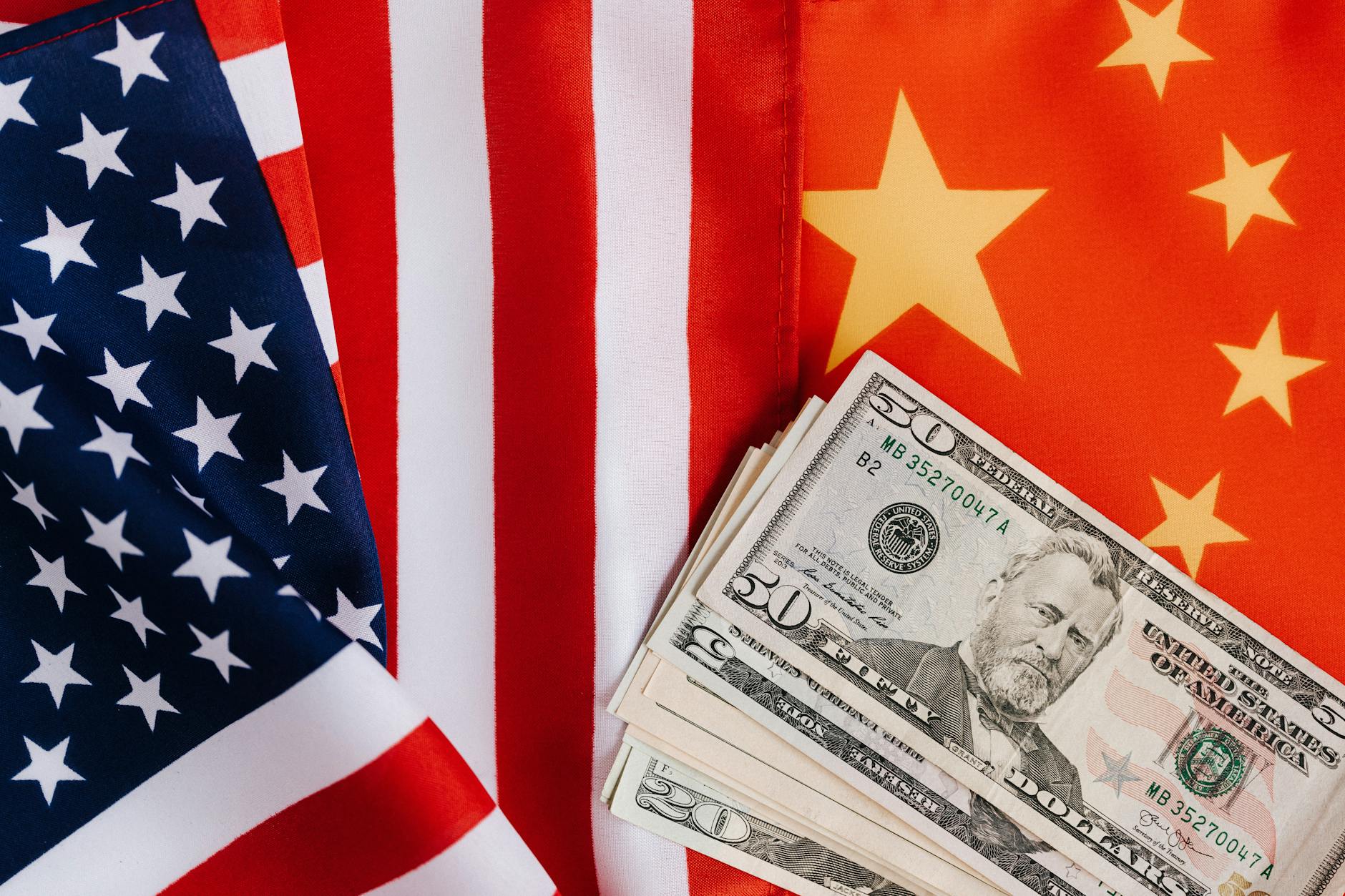
Beneath the surface of America’s economic landscape, a profound disconnect festers, shaping the very fabric of its political future. As the nation gears up for a pivotal election, the economy stands as the undisputed battleground, yet the public’s perception sharply diverges from official metrics, hinting at forces far more complex than mere numbers suggest. While experts rate the economy highly, a staggering 52% of Americans feel worse off than four years ago, according to cbsnews.com, a sentiment that Vice President Kamala Harris and former President Donald Trump are both leveraging in their campaigns, promising economic prosperity.
This chasm between reported strength and felt hardship is stark. Despite the inflation rate cooling to a three-year low of 2.4%, nearing the Federal Reserve’s target, public opinion on the U.S. economy remains overwhelmingly negative. Only 24% of adults rated it as excellent or good in early 2024, as reported by pewresearch.org. While some attribute this to partisan views, the persistence of such widespread discontent suggests deeper currents at play, possibly tied to the lingering psychological and material effects of global disruptions, as noted by cbsnews.com.
The genesis of this paradox lies in a period of unprecedented upheaval. The U.S. economy experienced a severe COVID-19 shock, followed by an extraordinary recovery fueled by unprecedented fiscal and monetary stimulus, according to congress.gov. This surge of capital, while averting collapse, inadvertently unleashed a wave of high inflation—the most significant since the 1980s—and an unusually tight labor market throughout 2022-2023. In response, the Federal Reserve rapidly raised interest rates from March 2022 to July 2023, attempting to rein in the very forces it had helped to unleash.
Even as the world’s largest economy, according to santandertrade.com, the United States is not immune to the pervasive, lingering effects of global disruptions. These are not merely economic ripples; they are seismic shifts, driven by unseen pressures and interconnected dependencies that extend far beyond national borders. The intricate dance between national policy, global markets, and the collective psyche of the populace creates a complex web where the true impact of economic shifts can be obscured, leaving a trail of uncertainty and dissatisfaction.
The early months of 2024 reveal an economy caught in an unresolved tension between its factual resilience and its perceived fragility, according to washingtonpost.com. This fundamental discord poses a critical challenge to the political landscape, threatening to undermine trust in institutions and leadership. The struggle is not merely to fix the economy, but to understand and address the underlying forces that shape public sentiment, forces that continue to cast a long shadow over the nation’s future.
[LLM ERROR: ‘parts’]
This profound disconnect between reported economic health and the pervasive feeling of decline unveils a more
Sources: cbsnews.com · pewresearch.org · congress.gov · santandertrade.com · washingtonpost.com