**The Great American Contradiction: Prosperity, Perception, and the Price of Power**
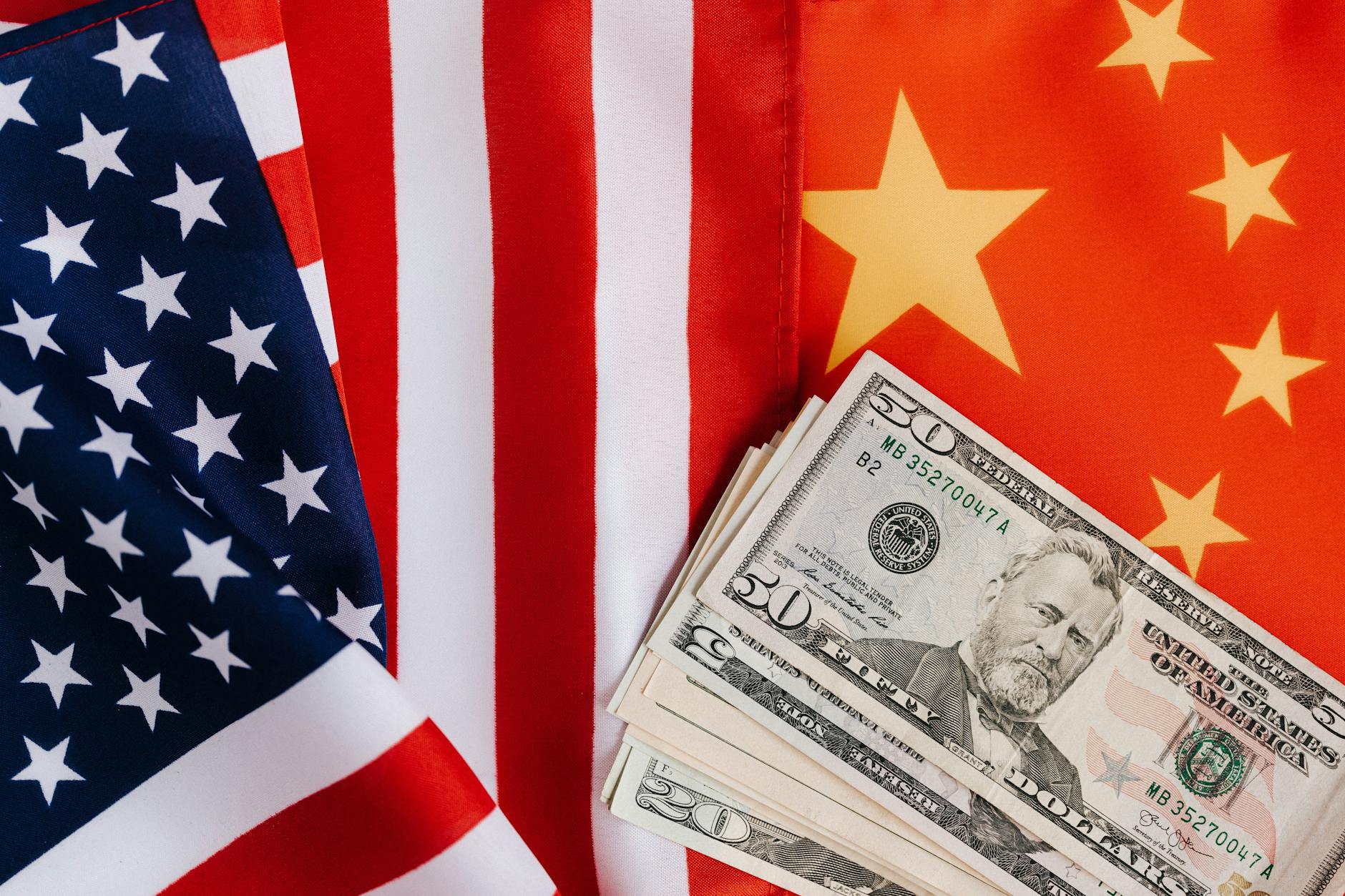
The United States stands as the world’s largest economy, a titan of global commerce and innovation. According to santandertrade.com, this economic dominance is an indisputable fact. Yet, beneath this veneer of unparalleled prosperity, a palpable unease grips the nation. A stark contradiction emerges: the official narrative of a robust economy clashes violently with the lived experience of its citizens, hinting at deeper currents that shape not just wealth, but perception itself.
A recent Pew Research Center survey, conducted between September 22-28, 2025, casts a long shadow over the economic outlook. The findings are unequivocal: most Americans, a staggering 74%, rate the U.S. economy negatively, labeling it as “fair” or “poor.” This sentiment, largely unchanged over the past three years, suggests a systemic disquiet that transcends fleeting headlines. Only 26% of the populace views the economy as “excellent” or “good,” a profound disconnect that authoritative reporting cannot ignore.
This pervasive negativity did not emerge in a vacuum. The U.S. economy endured a severe shock from the COVID-19 pandemic, a crisis that prompted an “extraordinary recovery” driven by “unprecedented fiscal and monetary stimulus,” as detailed by congress.gov. While hailed as a triumph, this massive intervention engineered an imbalance of demand over supply. The inevitable consequence was inflation, reaching levels unseen since the 1980s – a hidden cost that has eroded the purchasing power of everyday Americans, even as official metrics boasted growth.
The fault lines of this economic perception are starkly partisan, revealing how deeply political allegiance shapes reality. The Pew Research Center survey highlights a significantly widened partisan gap: while 74% of all Americans rate the economy negatively, a remarkable 44% of Republicans, for instance, rated the economy as “excellent,” demonstrating a chasm in how economic health is assessed through different political lenses. This divergence is not merely ideological; it suggests an engineered perception, a deliberate framing of prosperity or hardship depending on who holds the reins of power.
The persistent negative sentiment, despite the nation’s colossal economic output and a recovery fueled by historic stimulus, demands scrutiny. Who truly benefits when the world’s largest economy leaves three-quarters of its citizens feeling insecure? The interplay of unprecedented government action, surging inflation, and a deeply divided public perception suggests an economic architecture where the gains are concentrated, the costs diffused, and the narrative meticulously controlled. The true forces at play in the US political economy remain shrouded, their influence manifesting in the widening gap between official pronouncements and the unshakeable anxieties of the populace.
[LLM ERROR: ‘parts’]
[LLM ERROR: Server error ‘503 Service Unavailable’ for url ‘https://generativelanguage.googleapis.com/v1beta/models/gemini-2.5-flash:generateContent?key=AIzaSyDHtUpvT5-OvhhsdhdyxF1NS9mxQg61Qzc’
For more information check: https://developer.mozilla.org/en-US/docs/Web/HTTP/Status/503]
Sources: santandertrade.com · pewresearch.org · congress.gov · washingtonpost.com · independent.co.uk