The pilgrims of America crossed an ocean to escape something. That something has come back — and this time there is nowhere left to sail.
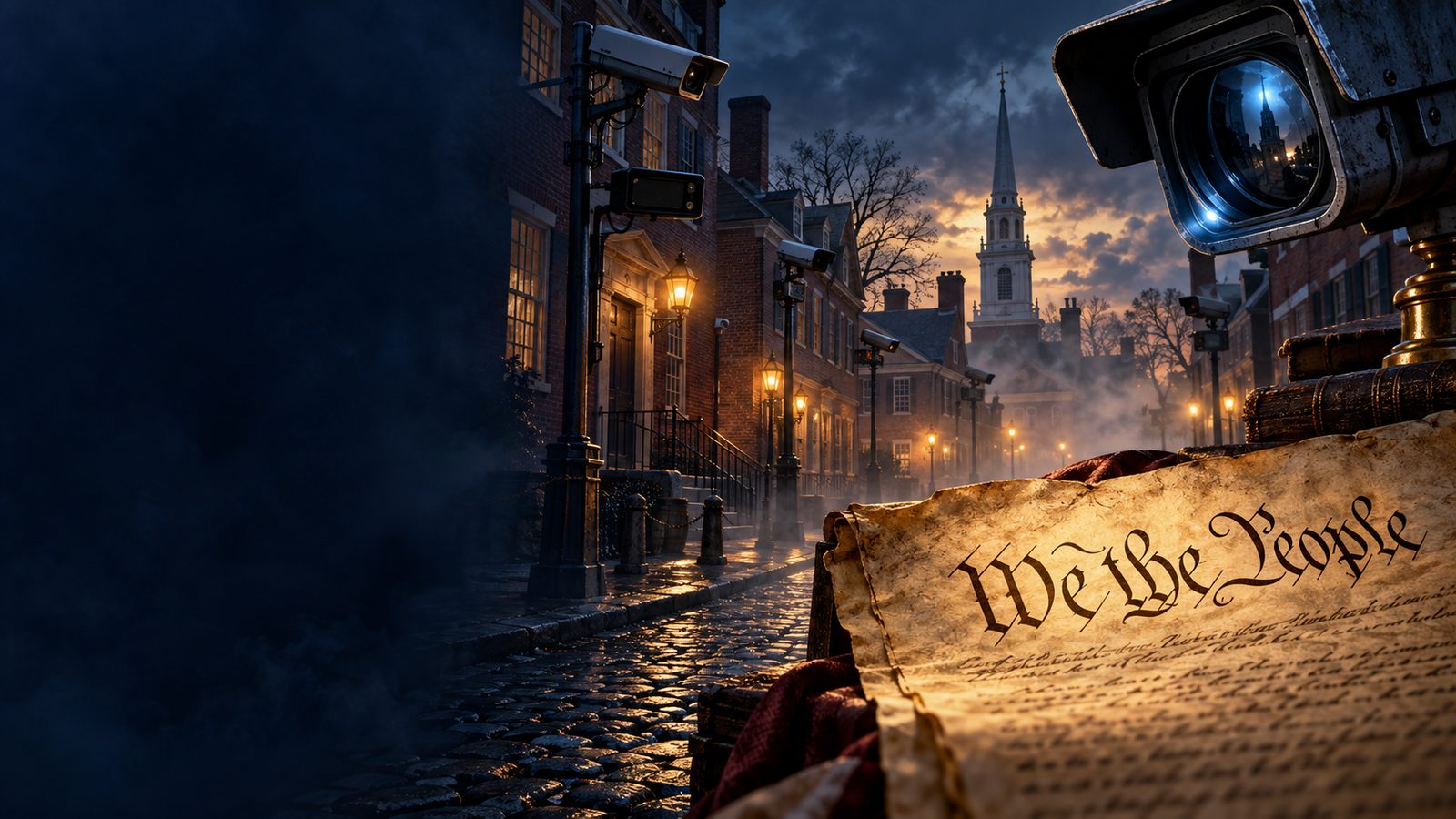
They didn’t flee bad weather. They fled a government that watched, cataloged, and punished. Four centuries later the watching has returned, except now it doesn’t need informants or sealed letters. It needs only a camera on a pole, a license-plate reader at an intersection, and a database that never forgets. There is no such thing as privacy anymore. And when a nation reaches that point, it might as well throw the Constitution in the river.
The grid went up while you were arguing about everything else
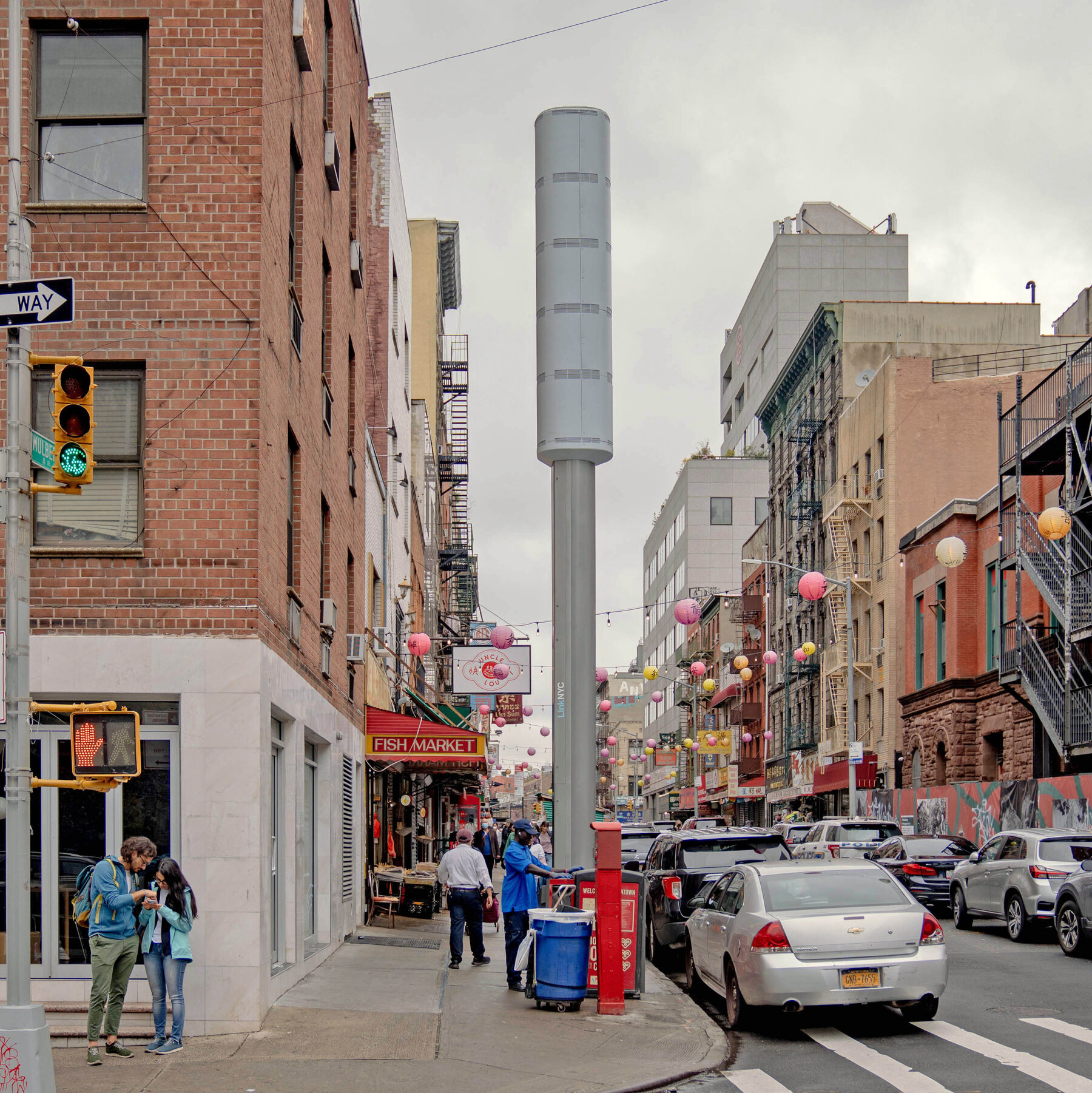
Start with the hardware you drive past every day without a second look. Flock Safety — a single company — now blankets thousands of American towns with automatic license-plate readers. These are not red-light cameras. They photograph every plate, log the make, model, color, dents, bumper stickers, and the exact time and place, and they hold it. Your car becomes a timestamp. String a month of those timestamps together and you have a map of a person’s entire life: where they pray, who they visit, which doctor they see, which rally they attended.
No warrant is served. No judge signs off. The Fourth Amendment promises the people will be “secure in their persons, houses, papers, and effects, against unreasonable searches and seizures.” A camera that tracks the movements of every citizen who has committed no crime is, by any plain reading, the most unreasonable search ever conceived. It has simply been automated to a scale the founders could not have imagined — and that is precisely why it slips through.
Axon and the real-time fusion of everything
Then there is Axon — the body-camera and Taser company — quietly stitching its feeds into “real-time crime centers” where footage, drone video, doorbell cameras, and those same plate readers pour into one screen. The sales pitch is officer safety. The reality is a municipal nervous system that can rewind any street, any face, any car, on demand. Fusion centers were sold to us after 2001 as counter-terror tools. They now run on the traffic of ordinary life.
Each piece is defended as reasonable in isolation. A camera here. A reader there. A database for “public safety.” But surveillance has never been about any single lens. It is about the aggregate — the moment when every feed is joinable, searchable, and permanent. That moment arrived, and almost nobody voted for it.
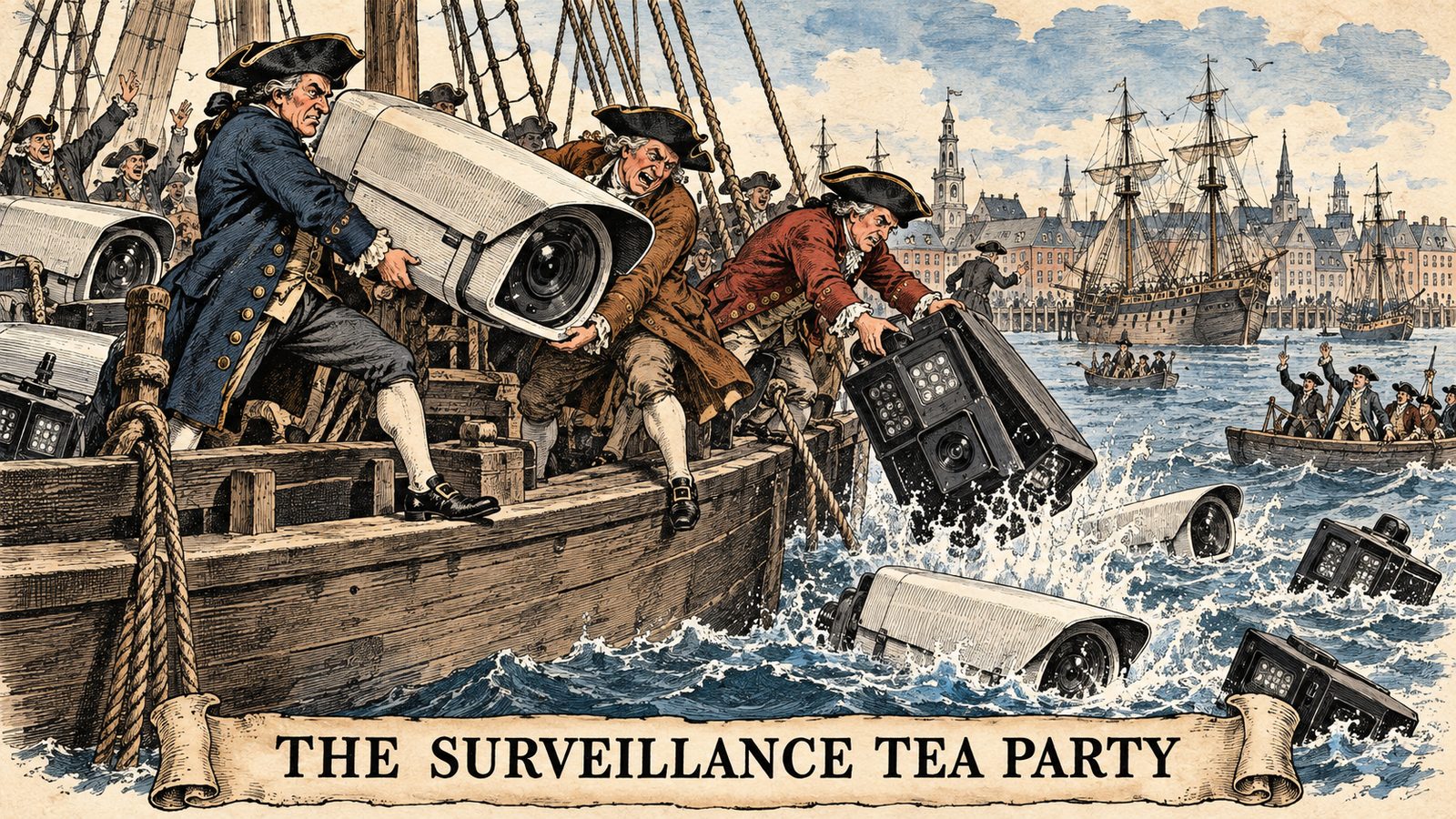
The part they count on you not noticing
Here is the Columbo question, the one that ruins the official story: if none of this requires a warrant, what exactly is left of the Fourth Amendment? If the state can reconstruct your every movement without ever accusing you of a crime, the protection against unreasonable search hasn’t been debated or repealed. It has simply been rendered obsolete by engineering.
And the chilling effect is the point. People report it plainly now — say the wrong thing and the platform throttles you, flags you, and the account that was your livelihood goes dark. Call it social-media prison. The red flag isn’t metaphorical; it’s a database field. The watching and the punishing are the same system. You are watched so that, the day they decide you are a problem, the file is already complete.
This is not paranoia. It is procurement.
None of what’s described here is secret or speculative. These are publicly traded companies with public contracts, publishing their own case studies, bragging in their own investor calls about how many towns they’ve wired. The surveillance state wasn’t imposed in a single dramatic law. It was purchased, one city-council consent agenda at a time, while the public was kept busy with everything else.
The pilgrims had the mercy of an ocean and an unmapped continent. We have neither. The frontier is gone; the cameras are already at the edge of town. What we still have — for now — is a document that says the government may not do this. The only question left is whether a Constitution still counts when the machinery to ignore it is already bolted to every streetlight.
Stranger Than Fiction News will keep following the grid — the contracts, the companies, and the quiet votes — because the first step out of an open-air prison is noticing the walls.