Starlink, the innovative satellite internet service, promises connectivity in remote regions, offering high-speed internet comparable to fiber optics. Marketed as a solution for businesses and individuals, Starlink’s flexibility and mobility have garnered significant interest, providing a viable alternative to traditional internet infrastructure. The official narrative touts its benefits, highlighting its ease of use and global reach through strategic partnerships and acquisitions.
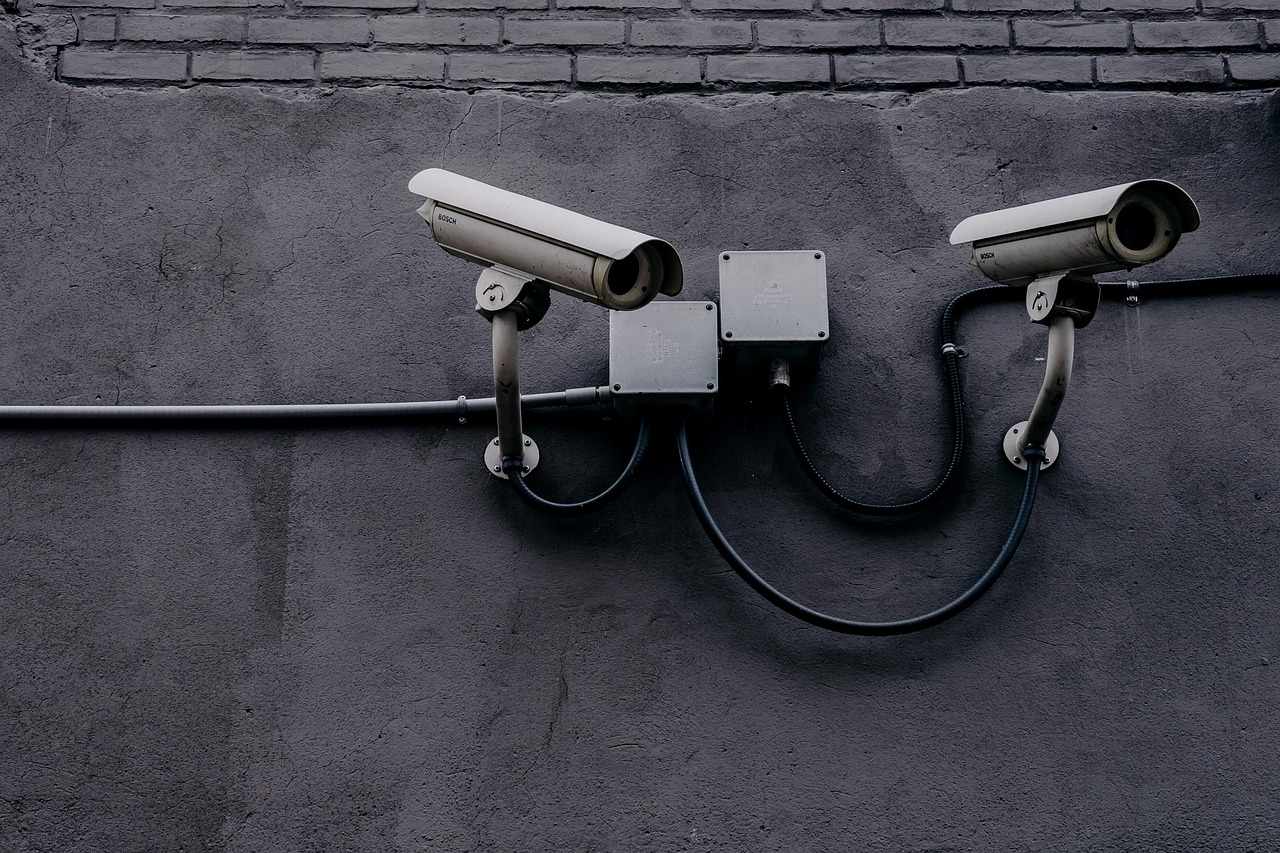
However, beneath the surface of this seemingly benign technology lies a more intricate web of control and surveillance. SpaceX, the driving force behind Starlink, has acquired billions in wireless spectrum, expanding its network’s capabilities to include global cellular service. This expansion not only consolidates power within the telecommunications industry but also raises concerns about the extent of surveillance and influence that such a network could enable.
Furthermore, recent reports reveal a disturbing development: SpaceX, under Elon Musk’s leadership, is involved in a clandestine project to build a network of spy satellites for a US intelligence agency. This covert operation, shrouded in secrecy and funded by a lucrative government contract, poses a direct threat to global privacy and security. The integration of surveillance capabilities into a seemingly innocuous internet service exposes the true intentions behind the Starlink project.
The implications of this convergence of technology and surveillance are profound. The potential for mass surveillance on a global scale, coupled with the unchecked power of a few entities to control information and communication channels, is a recipe for authoritarian control. The most vulnerable populations, those already marginalized and disenfranchised, stand to suffer the most under such a system of pervasive surveillance and control.
In closing, the intent behind the Starlink project, masked as a revolutionary advancement in internet connectivity, reveals a darker agenda of surveillance and control. Through strategic acquisitions, partnerships, and covert operations, the means to establish a global surveillance network are being laid out. The opportunity to wield unprecedented power over information and communication channels, with minimal oversight, presents a grave threat to individual freedoms and democratic principles.
Looking ahead, the trajectory of the Starlink project signals a dangerous precedent in the consolidation of power and control. If left unchecked, the integration of surveillance, telecommunications, and space technology could usher in a new era of total control by a select few. It is imperative that we remain vigilant, question the narrative presented to us, and resist the encroachment of systems that seek to undermine our fundamental rights and freedoms.