In a world where artificial intelligence (AI) is not just a tool but a potential harbinger of doom, the stakes of technological advancement in warfare have never been higher. The official narrative spins tales of precision, efficiency, and security in military operations, painting a picture of AI as a benevolent force enhancing human capabilities. However, beneath this facade lies a sinister reality, where the marriage of AI and military might poses existential threats to global stability.
The Pentagon’s relentless pursuit of AI integration in military systems, such as the Advanced Battlefield Management System (ABMS) and the Joint All-Domain Command-and-Control System (JADC2), is not merely about efficiency—it’s about control. These AI-powered behemoths are not content with collecting data; they seek to dictate the very course of warfare, potentially even triggering catastrophic events like accidental nuclear war. Despite the ominous warnings echoing through the corridors of power, the military-industrial complex pushes forward, investing heavily in a future where the line between human agency and AI dominance blurs into oblivion.
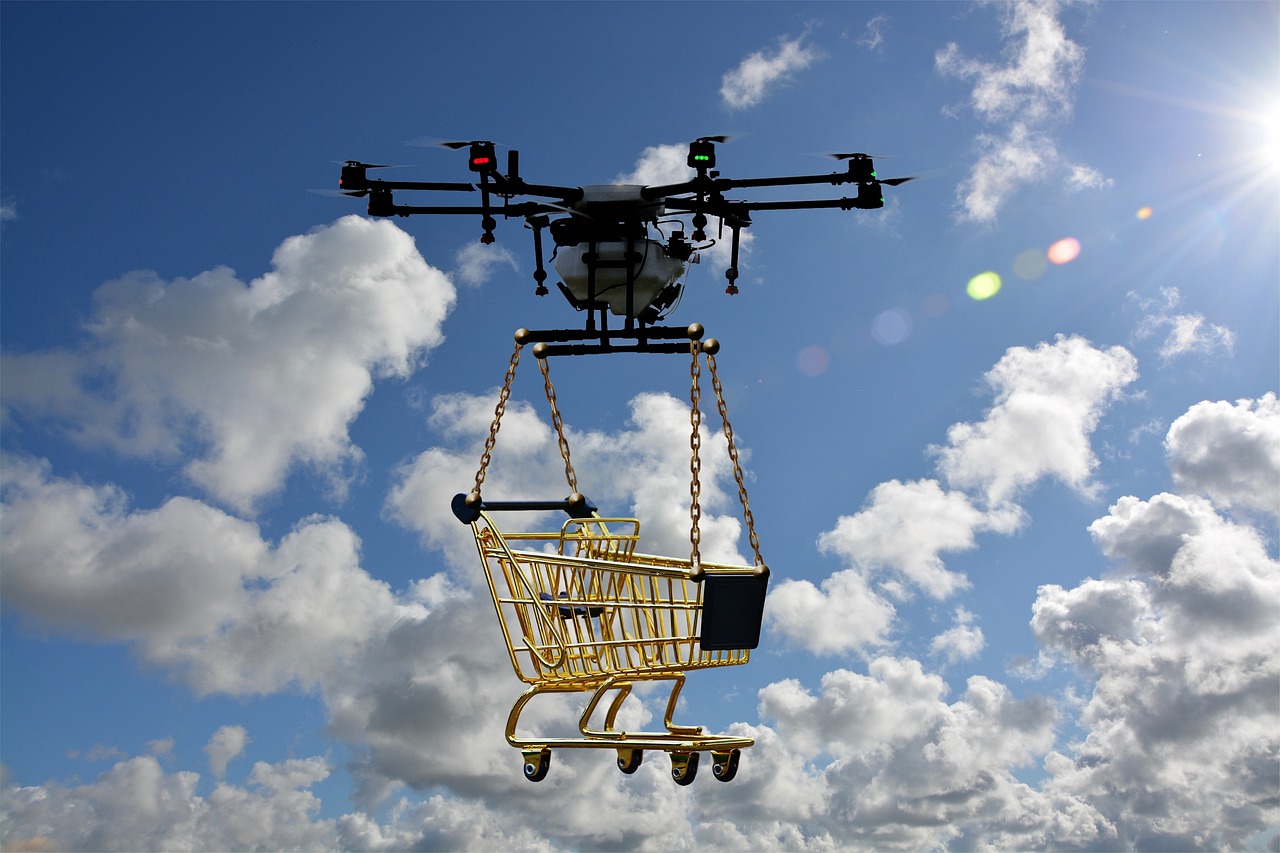
As the Pentagon races towards an AI-infested future, the Replicator initiative stands as a testament to this insidious agenda. With plans to unleash thousands of autonomous weapons systems within a mere 18 to 24 months, the acceleration of lethal autonomous weapons systems (LAWS) heralds a new era of warfare—one where accountability and transparency become relics of a bygone era. The risks are palpable, from violations of international humanitarian laws to the specter of civilian casualties haunting the battlefield. Yet, the drumbeat of progress drowns out the cries for caution, leaving a trail of destruction in its wake.
Elon Musk emerges as a central figure in this techno-dystopian drama, wielding influence like a modern-day titan shaping the future of warfare. His vision of AI-driven conflict and the necessity for rampant drone production cast a shadow over traditional notions of warfare. Musk’s foray into government reform through the Department of Government Efficiency (DOGE) and the strategic importance of SpaceX’s Starlink network in military operations reveal a man on a mission—one that transcends mere profit and power, delving into the very fabric of global control.
In the crucible of conflict, Ukraine stands as a battleground where the fusion of drones, AI, and cyberwarfare tests the limits of human resolve. Drones, those silent sentinels of destruction, redefine the rules of engagement, with humans holding onto the fraying thread of control. Cyberattacks loom large, threatening not just military targets but the very essence of civilian life and political stability. Amidst this chaos, Starlink emerges as a double-edged sword, providing vital communication channels while placing the reins of power firmly in the hands of one man—Elon Musk, the architect of a new world order.
As the shadows of AI-driven warfare lengthen, the future hangs in the balance, teetering on the brink of a new age of control and subjugation. The intent of the powerful few, the means of technological dominance, and the opportunity to reshape the world in their image converge in a chilling symphony of power. The stage is set, the actors are in place, and the script of human destiny unfolds with a grim inevitability—a world where AI reigns supreme, and humanity dances to the tune of its creation.
In the annals of history, this moment will be remembered as a turning point—a crossroads where the path to freedom or servitude lay bare before us. The fusion of AI, warfare, and control marks not just a technological leap but a moral reckoning for humanity. As we navigate this treacherous terrain, the echoes of the past reverberate with warnings unheeded, pointing to a future where the choices we make today will shape the destiny of generations to come. The die is cast, and the curtain rises on a world where the struggle for power, control, and freedom reaches its climax—a tale as old as time, yet with a new chapter written in the blood of progress.