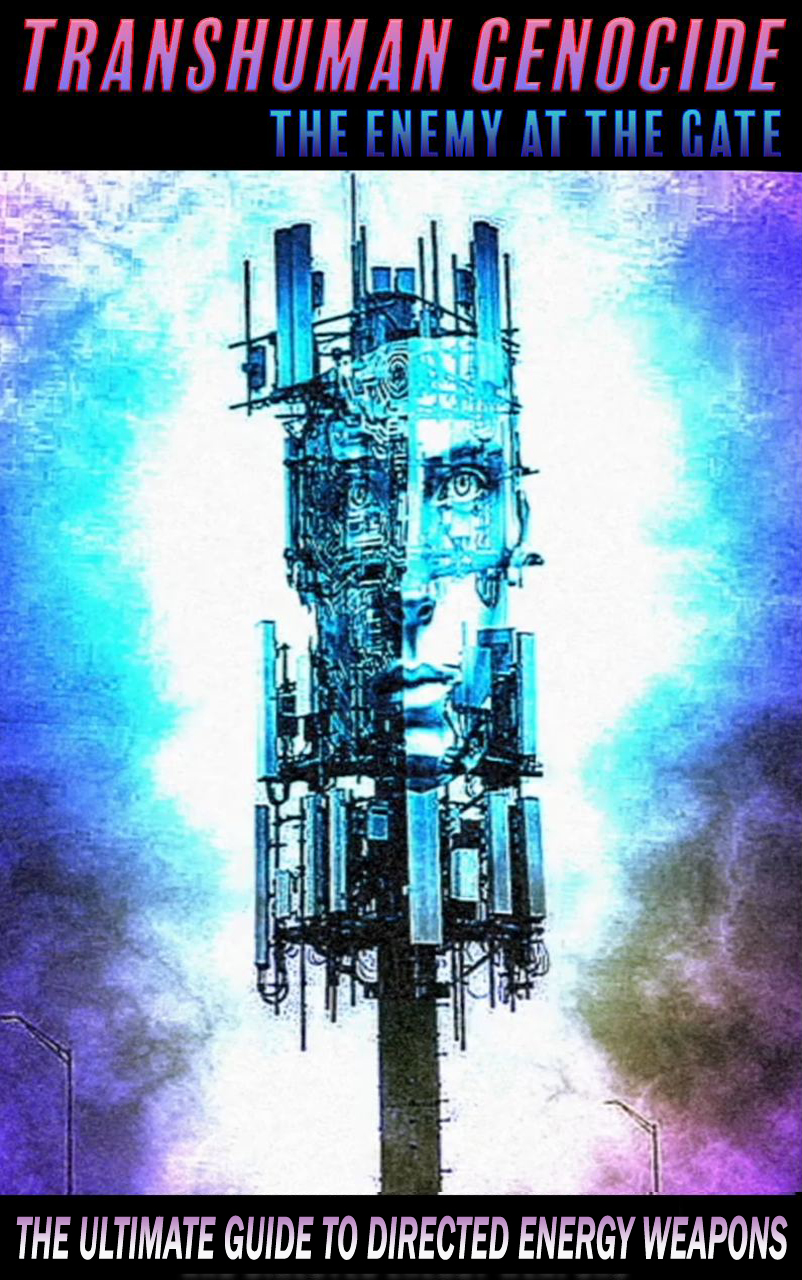
The world stands at the precipice of a technological revolution, one that promises both innovation and peril. As society embraces the advancements of artificial intelligence and autonomous systems, a shadow looms over the horizon, threatening to reshape the very nature of warfare and control.
In the official narrative, the integration of AI and drones into military operations is hailed as a necessary evolution in defense strategies. Countries like Ukraine are praised for their proactive use of technology to counter threats, with initiatives like the Starlink satellite system seen as vital for communication and surveillance in conflict zones.
However, beneath the surface lies a more sinister truth. The rise of superintelligent machines and AI-powered systems in military applications, such as the Advanced Battlefield Management System and Joint All-Domain Command-and-Control System, poses a grave risk. These systems, developed by the US Department of Defense, pave the way for automated decision-making in warfare, including nuclear capabilities, raising concerns of catastrophic errors and unintended nuclear escalation.
Elon Musk, a prominent figure in the tech industry, has been a vocal advocate for the dominance of AI and drones in future warfare. Musk’s warnings about the need for accelerated drone production and the critical role of SpaceX’s Starlink network in global defense hint at a larger agenda at play. His emphasis on preparing for future conflicts and the optimization of military technology reveals a calculated push towards a new era of warfare.
The consequences of integrating AI into weapons systems are dire. As countries like Russia, Ukraine, Israel, and the US explore AI’s role in nuclear decision-making, experts warn of the potential for catastrophic outcomes. The lack of transparency in AI’s decision-making processes raises fears of a “black box” scenario, where human control over critical military decisions is eroded, leading to a future where machines wield unimaginable power.
In this landscape of evolving warfare and technological supremacy, the intent of powerful actors becomes clear. The means of control through AI-driven military systems and the opportunity to reshape global power dynamics are laid bare. The convergence of surveillance, finance, and biotech in the hands of a select few heralds a new world order where control is absolute, and the consequences for humanity are vast.
As we look to the future, it is crucial to understand the historical patterns at play. The trajectory set by the integration of AI into warfare mirrors past cycles of technological advancement leading to unforeseen consequences. The stakes are higher now than ever before, as we teeter on the brink of a future where the balance of power rests in the hands of machines. The time to act is now, to ensure that humanity’s destiny is not dictated by algorithms and automated systems but by the will and agency of the people.