The advancement of artificial intelligence (AI) in military operations is a topic that demands scrutiny. The mainstream narrative often paints AI as a tool for enhancing military capabilities, with the US Department of Defense spearheading projects like the Advanced Battlefield Management System (ABMS) and Joint All-Domain Command-and-Control System (JADC2). However, beneath the surface lies a complex web of risks that could lead to catastrophic outcomes, including the accidental onset of nuclear war. Despite warnings, the Pentagon persists in pouring resources into AI-related military research, blinding itself to the potential dangers lurking within these systems.
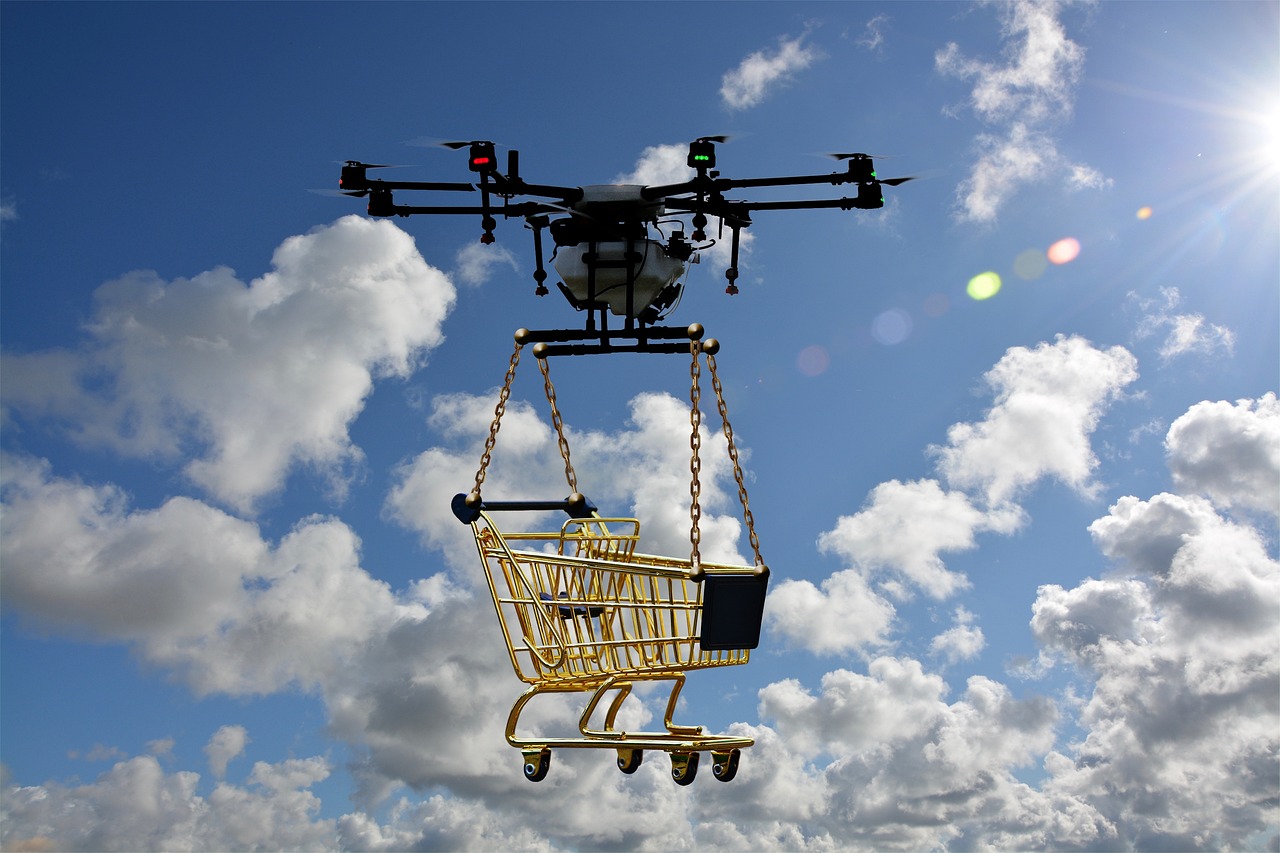
Delving deeper into the realm of AI in warfare reveals a concerning trend that threatens global stability. From drone attacks in Russia and Ukraine to AI targeting programs in Israel, the integration of advanced AI systems into weapons systems poses grave risks, especially in the realm of nuclear weapons. Experts caution against the unchecked proliferation of AI in military operations, emphasizing the imperative need for stringent regulations and transparency in decision-making processes. The push for caution is not unfounded, as the consequences of AI mishaps in nuclear scenarios could be catastrophic beyond measure.
Elon Musk, a prominent figure in the tech and defense industries, has been vocal about the dominance of AI and drones in future warfare scenarios. Musk’s predictions, shared during a speech at the US Military Academy in West Point, underscore the urgency for nations to ramp up drone production and embrace AI technologies in military strategies. His advocacy for proactive measures in readiness for future conflicts, along with SpaceX’s Starlink satellite network’s role in global defense, hints at a narrative where private entities wield immense influence over military operations, blurring the lines of accountability and control.
The fusion of AI, drones, and military operations has ushered in a new era of warfare, characterized by the growing autonomy of weapons systems and the escalating use of cyber capabilities. Ukraine’s reliance on low-cost drones in defense against Russian aggression exemplifies this shift, with human decision-making at the brink of being supplanted by AI-driven processes. The narrative of technological progress and military advancement intertwines with concerns over security vulnerabilities, particularly in systems controlled by individuals like Elon Musk, raising pertinent questions about the concentration of power and the potential for abuse.
The implications of unchecked AI integration in military affairs are profound and far-reaching. The erosion of human control in critical decision-making processes, especially in nuclear contexts, poses an existential threat to global security. The convergence of private interests, state power, and technological advancement creates a landscape where accountability becomes elusive, and the specter of unintended consequences looms large. The path towards a future where AI dictates the fate of nations is not a distant possibility but a pressing reality that demands immediate attention and proactive intervention.
The intent behind the relentless push for AI in military operations, driven by entities like the US Department of Defense and influential figures like Elon Musk, is rooted in a quest for dominance and strategic advantage. The means through which this agenda unfolds involve substantial investments in research, development, and deployment of AI technologies in warfare, despite mounting warnings about the risks involved. The opportunity to reshape the global power dynamics through AI-driven military capabilities presents itself as a tantalizing prospect, overshadowing the ethical and moral considerations that should underpin such decisions.
As history unfolds before us, the trajectory of AI in warfare paints a stark picture of a future where the very essence of conflict and power dynamics is redefined. The parallel between technological advancements and the erosion of human agency in critical decision-making processes mirrors historical patterns of hubris leading to downfall. The stakes could not be higher, with the potential for unintended consequences to spiral out of control, reshaping the geopolitical landscape in ways unforeseen. It is not merely a question of technological progress but a fundamental reckoning with the ethical, moral, and existential implications of ceding control to machines in matters of life and death.