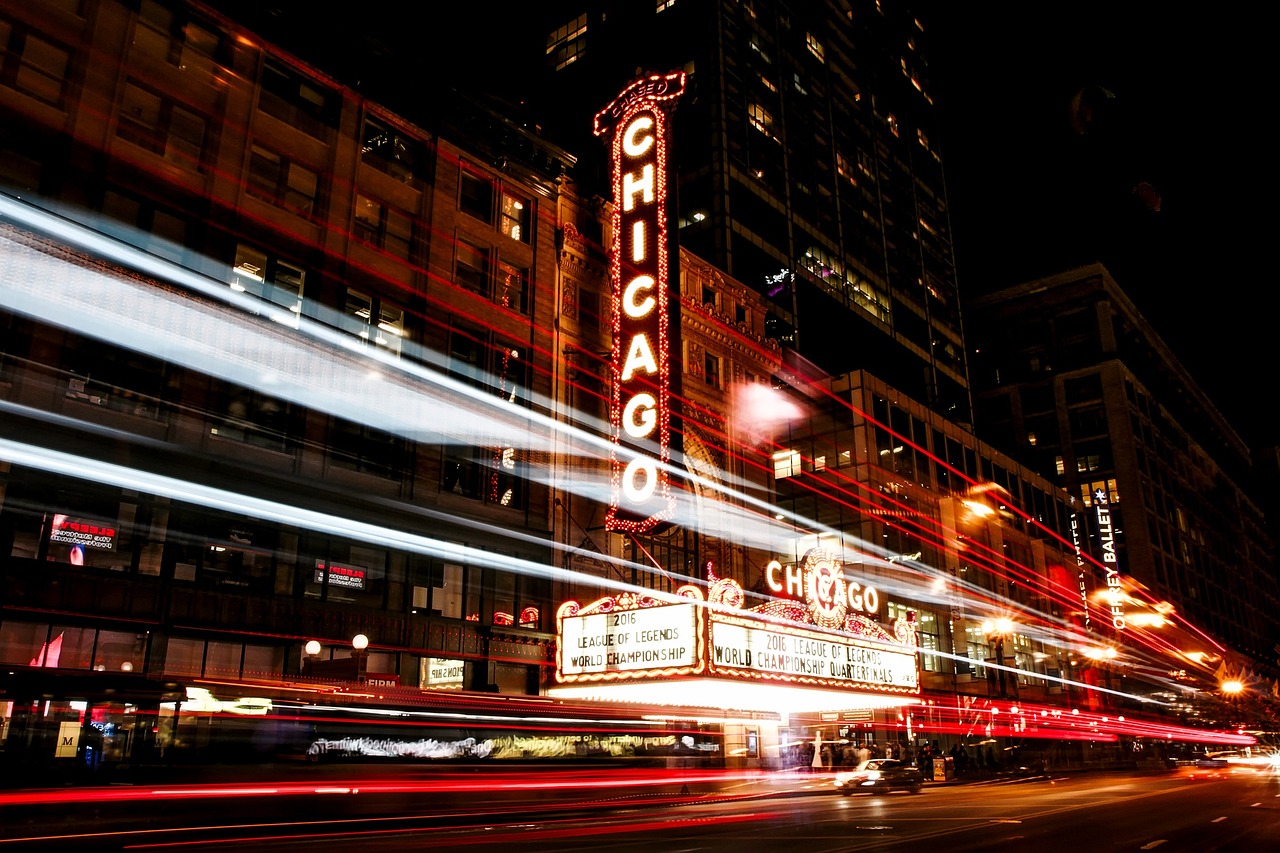
The shadows of control loom large over the city of Chicago, casting doubt on the narratives spun by those in power. Beneath the veneer of public safety measures and curfew ordinances lies a web of orchestrated events designed to curtail freedom and tighten the grip of authority. The official story, as presented by the Chicago City Council and its proponents, paints a picture of necessary measures to combat unruly youth gatherings and ensure the well-being of the community. However, a deeper dive into the events surrounding these ordinances reveals a more insidious agenda at play.
The People’s Patrol, led by Cristóbal Cavazos, stands as a beacon of resistance against the encroaching forces of control. This volunteer network, born out of a deep-seated commitment to immigrant rights, has tirelessly documented ICE activities, provided support to vulnerable communities, and stood against the oppressive policies of the Trump administration. Their actions are a testament to the power of grassroots movements in the face of systemic injustice.
The passing of the “snap curfew” ordinance in Chicago marks a troubling turn towards authoritarianism under the guise of public safety. Advocated for by figures like Alderman Brian Hopkins, this ordinance grants unprecedented powers to law enforcement, allowing them to impose curfews at a moment’s notice. Mayor Brandon Johnson’s veto, while a welcome stance against overreach, highlights the contentious nature of these measures and the deep divisions within the city council. The ACLU and youth justice organizations have sounded the alarm, warning of the discriminatory enforcement and heightened disparities that such ordinances could exacerbate.
The implications of these actions cannot be understated. By normalizing the swift imposition of curfews and expanding police powers, the authorities are setting the stage for a future where civil liberties are eroded in the name of security. Communities already marginalized and vulnerable will bear the brunt of these measures, facing increased surveillance, discrimination, and the curtailing of their basic freedoms. The path towards a more authoritarian regime is being paved under the guise of protecting the public, but the true motives lie in consolidating control and stifling dissent.
The intent behind these ordinances is clear: to establish a framework of control that can be wielded at a moment’s notice to suppress any form of dissent or resistance. The means through which this is achieved involve the manipulation of public perception, the leveraging of fear, and the gradual erosion of individual rights in the name of collective security. The opportunity for such actions arises in moments of crisis or perceived threat, where the public is more willing to sacrifice freedoms for a sense of safety.
As we stand at the crossroads of history, the echoes of past authoritarian regimes reverberate through the halls of power. The lessons of the past warn us of the dangers of complacency and the slow erosion of freedoms in the name of security. The future trajectory we face is one where the lines between protection and control blur, where dissent is met with swift and severe reprisal, and where the voices of the marginalized are silenced in the name of order. The stakes could not be higher, and the time to resist is now.