As the world teeters on the brink of a new era defined by unprecedented technological advancements, a shadow looms over the promises of progress. The official narrative touts the integration of artificial intelligence and drones in military operations as a means to enhance efficiency and security. However, beneath this veneer of advancement lies a complex web of control and manipulation orchestrated by powerful entities.
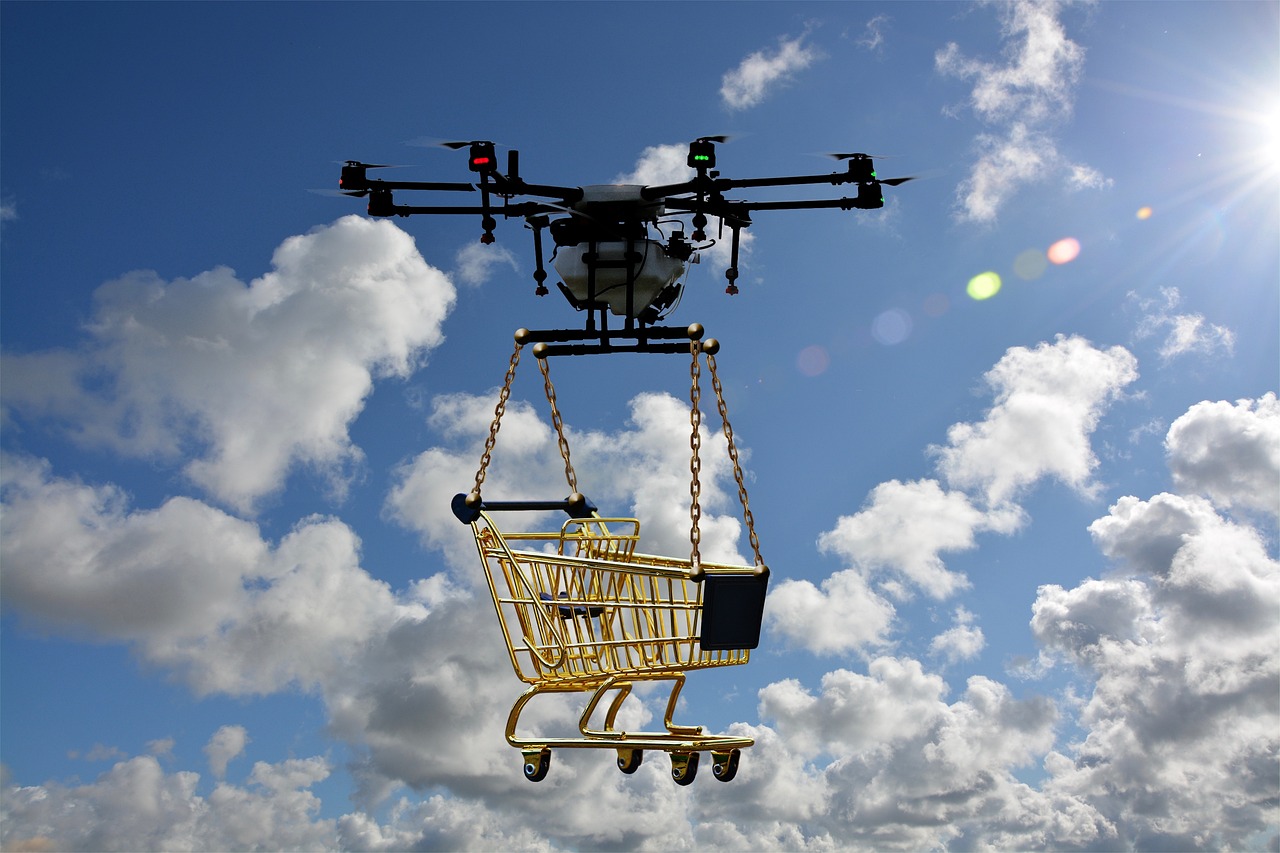
Diving into the heart of this technological revolution, we uncover a disturbing truth. The proliferation of AI-powered systems, such as the Advanced Battlefield Management System and the Joint All-Domain Command-and-Control System, poses grave risks to global stability. Despite warnings from experts about the dangers of AI in military decision-making, the US Department of Defense forges ahead, allocating substantial resources to develop these autonomous systems that could one day wield the power to unleash nuclear devastation.
Tech magnate Elon Musk, a prominent figure in this narrative, envisions a future where warfare is dominated by artificial intelligence and drones. Musk’s advocacy for accelerating drone production and his strategic involvement in global defense through initiatives like SpaceX’s Starlink satellite network raise red flags about the true intentions behind these technological advancements. His influence, from supporting political campaigns to shaping governmental efficiency programs, underscores the entanglement of corporate interests with national security agendas.
The trajectory of drone warfare mirrors a dangerous escalation towards autonomous weapons systems devoid of human oversight. The Pentagon’s Replicator initiative, aimed at deploying thousands of AI-driven weapons within a short timeframe, heralds a new era where decisions of life and death are entrusted to machines. As the world grapples with the implications of AI-enabled drone strikes, questions of accountability, transparency, and adherence to international laws loom large, painting a grim picture of a future where ethical boundaries are blurred in the pursuit of military supremacy.
In the real world, the consequences of this unchecked technological advancement are dire. Ukraine’s reliance on low-cost drones and Musk’s Starlink for defense against Russian aggression underscores the asymmetrical power dynamics at play. The fusion of cyberwarfare, autonomous weapons, and AI not only reshapes the battlefield but also redefines the very essence of conflict, where civilians are caught in the crossfire of a high-stakes game controlled by unseen forces.
In closing, the intent behind this orchestrated march towards a future dominated by AI-driven warfare is clear: to consolidate power, control narratives, and reshape geopolitical landscapes to serve the interests of a select few. The means, through the strategic deployment of advanced technologies under the guise of security and efficiency, pave the way for unprecedented levels of surveillance, manipulation, and coercion. The opportunity to mold a new world order where autonomy is relinquished to machines, and human agency is subverted in the name of progress, presents a chilling prospect for the future of humanity.
As we stand at this crossroads of history, the choices we make today will reverberate through generations to come. The fusion of technology, power, and control is not a distant dystopian fantasy but a stark reality unfolding before our eyes. The stakes are high, and the path ahead is fraught with challenges. Will we succumb to the siren song of technological prowess at the cost of our humanity, or will we chart a different course guided by wisdom, foresight, and a steadfast commitment to preserving the essence of what makes us truly human? The future hangs in the balance, waiting for our collective resolve to shape a world where freedom, autonomy, and dignity are not mere relics of the past but pillars of a future worth fighting for.