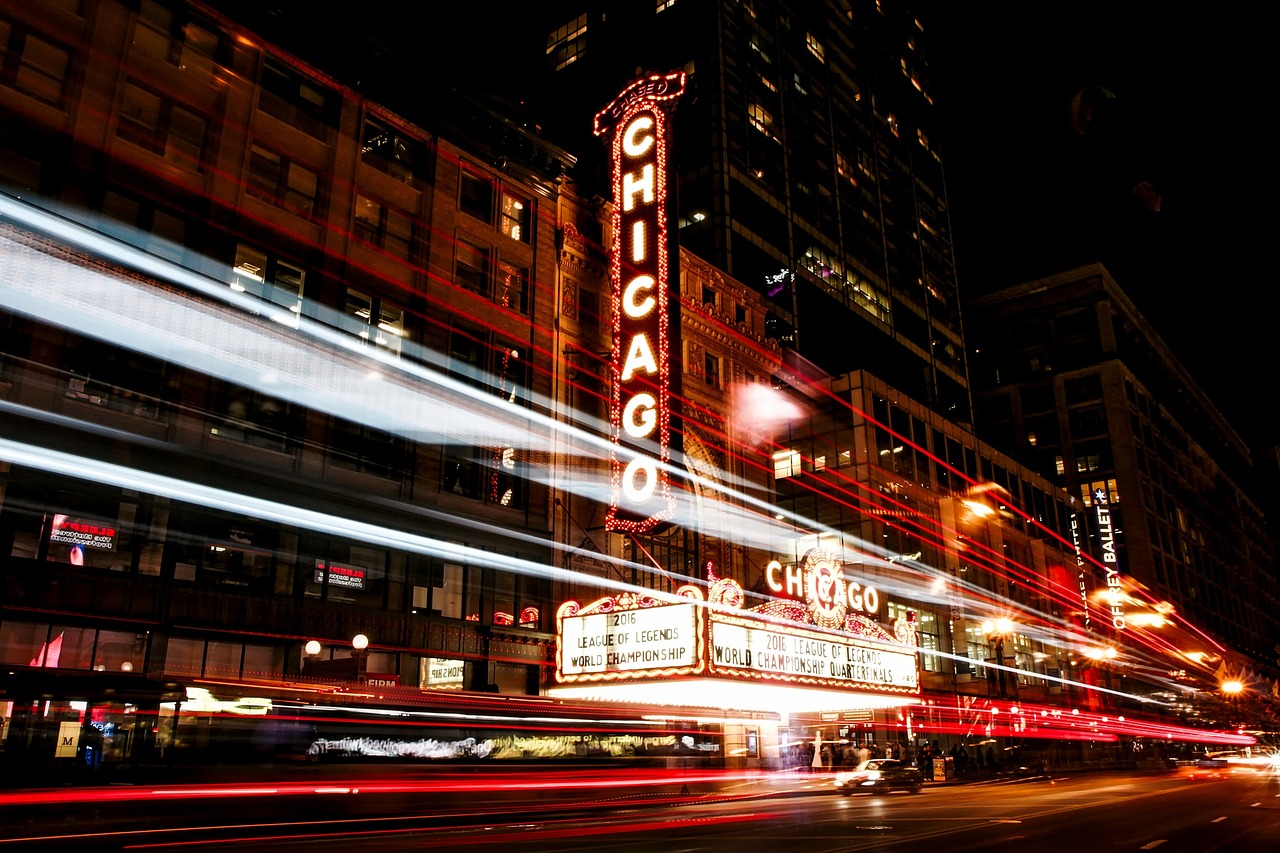
In a bold move on June 18, 2025, the Chicago City Council passed a “snap curfew” ordinance, allowing the Chicago Police Department to swiftly impose curfews with minimal notice in response to the recent surge in “teen takeovers.” Advocated for by Alderman Brian Hopkins and passed by a narrow 27-22 vote, this measure has polarized opinions within the city. Mayor Brandon Johnson’s intention to veto this ordinance, marking the first mayoral veto in nearly two decades, has ignited a fierce debate on the necessity and implications of such a law.
The official narrative paints the snap curfew ordinance as a necessary tool to combat chaotic and violent gatherings of teenagers in Chicago. Chicago Police Superintendent Larry Snelling would be empowered to declare curfews based on social media chatter and certain criteria, with the aim of restoring order and preventing further disruptions. However, Mayor Johnson’s reluctance to endorse the policy underscores concerns about community trust, constitutional rights, and the potential criminalization of youth.
Yet, beneath the surface of this seemingly reactive response lies a more insidious agenda. The orchestration of these snap curfews is not merely about restoring order but rather a strategic move towards normalizing swift and unchecked police power in the city. The push for such measures is not isolated but part of a larger pattern of control and surveillance creeping into our daily lives, with the ultimate goal of conditioning compliance and eroding individual freedoms in the name of security.
This isn’t a standalone event but a piece in a larger puzzle. The involvement of specific individuals like Alderman Brian Hopkins, known for his ties to vested interests, hints at a deeper collusion behind the scenes. The historical context of similar measures being used sparingly post-approval raises questions about the true motives behind these sudden shifts in policy. The parallels to past authoritarian regimes implementing control under the guise of public safety cannot be ignored.
The implications of these snap curfews extend far beyond mere temporary restrictions on movement. They mark a significant step towards a future where individual autonomy is sacrificed at the altar of surveillance and control. The most vulnerable in society, particularly the youth and marginalized communities, stand to bear the brunt of these measures, facing increased scrutiny, discrimination, and potential violations of their rights under the guise of maintaining order.
In closing, the intent behind these snap curfews is clear: to lay the groundwork for a system of control that transcends mere law enforcement and encroaches on every aspect of our lives. The means employed, under the guise of public safety, serve as a Trojan horse for a more pervasive surveillance apparatus. The opportunity presented by these turbulent times is seized upon by those seeking to consolidate power and usher in an era where individual freedoms are a relic of the past.
As we stand on the precipice of a new world order, it is imperative to recognize these incremental shifts towards a dystopian reality. The battle for our future is not fought on distant battlefields but in the very streets we walk, the laws we abide by, and the choices we make. The path ahead is fraught with challenges, but awareness and unity remain our greatest weapons against the encroaching darkness of unchecked control.