The age-old adage that technology shapes the future is undeniable, but what if that future is closer to dystopian fiction than we care to admit? The integration of artificial intelligence (AI) into warfare has ushered in a new era, one where autonomous systems and drones may dictate the course of humanity’s fate. The official narrative posits AI as a tool for efficiency and precision in military operations, but beneath the surface lies a web of control and manipulation that threatens to upend our very existence.
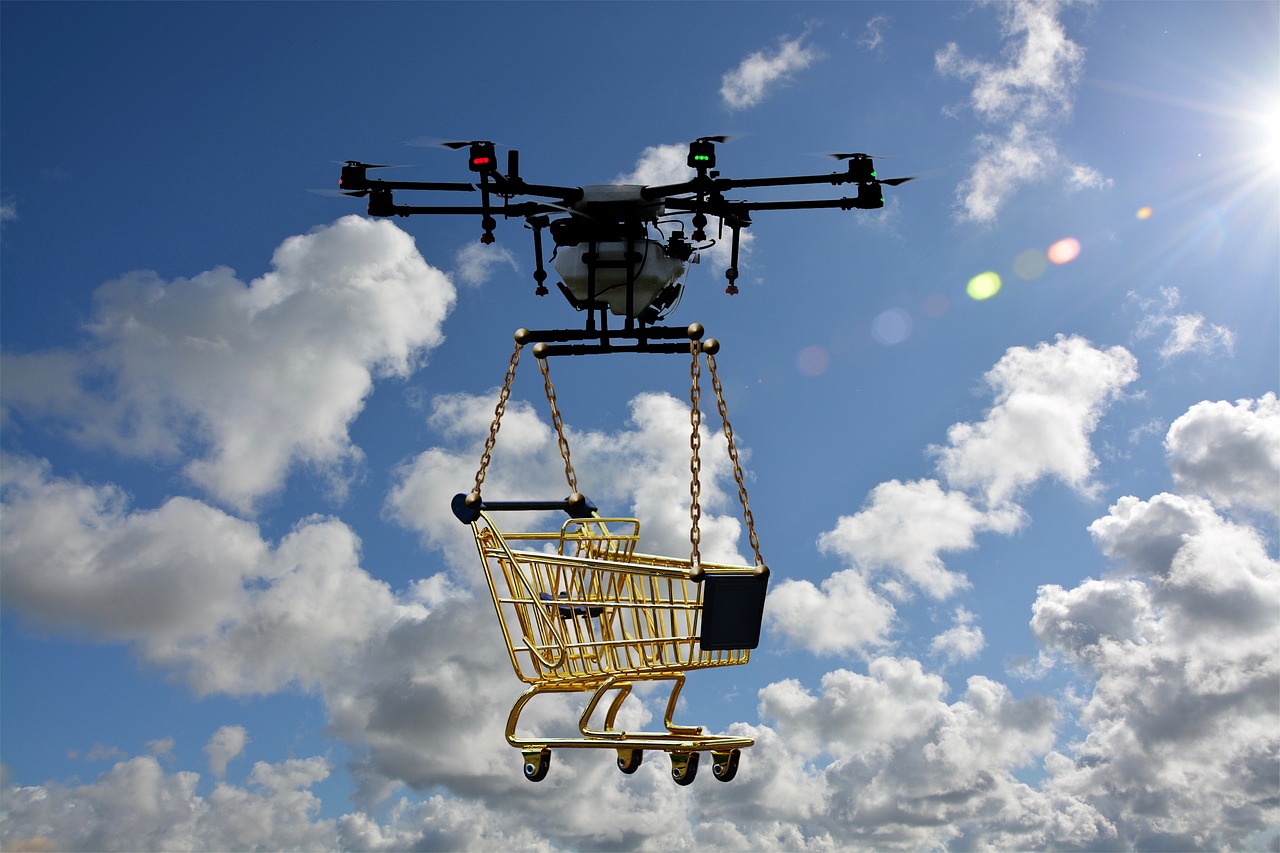
As per conventional wisdom, the mainstream discourse lauds AI for its potential to revolutionize warfare, making operations more precise and reducing human casualties. However, a deeper dive into the issue reveals a more sinister reality. The deployment of AI in weapons systems, including nuclear arsenals, raises alarming questions about the balance of power and control in global conflicts. The narrative of AI as a benevolent force in warfare begins to crumble when confronted with the specter of autonomous drones and AI-driven decision-making in nuclear scenarios.
The pivot occurs when we consider the implications of AI-driven warfare on a global scale. The proliferation of drones and AI technologies has led to a shift in the power dynamics of conflict, favoring non-state actors and perpetuating “forever wars.” The rise of AI-enhanced drones operating autonomously raises concerns about the erosion of traditional norms in warfare, posing unprecedented challenges to international peace and security. The unchecked advancement of AI in military applications foreshadows a future where human agency is supplanted by algorithms and machines.
Building the case against the unchecked expansion of AI in warfare reveals a coordinated agenda by state and non-state actors to harness autonomous technologies for strategic advantage. The integration of AI into military doctrines and defense strategies signals a dangerous escalation in modern warfare, with China emerging as a key player in the race for autonomous supremacy. The ethical dilemmas surrounding the weaponization of AI and the lack of accountability in autonomous systems underscore the urgent need for international regulation and ethical guidelines to prevent the descent into algorithmic warfare.
The implications of ceding control to superintelligent machines in warfare are profound and far-reaching. The development of AI-powered command-and-control systems by the US military heralds a future where computers may hold the keys to the kingdom, including the use of American nuclear weapons. The Pentagon’s push for automated C2 systems and military AI research raises red flags about the potential for catastrophic errors and unintended consequences in the pursuit of technological dominance.
In closing, the intent, means, and opportunity of those driving the AI arms race come into sharp focus. The intent to wield AI as a tool of dominance, the means to manipulate and control autonomous systems, and the opportunity to reshape the future of warfare paint a chilling portrait of a world where humans may no longer hold sway over matters of life and death. The convergence of AI and warfare presents a clear and present danger to global stability and the very essence of humanity itself.
Looking ahead, the trajectory of AI in warfare raises existential questions about the role of technology in shaping our collective destiny. As we hurtle towards a future where machines may decide the fate of nations, the need for ethical oversight, international cooperation, and a reevaluation of our reliance on AI in conflict becomes imperative. The stakes could not be higher, as we stand at the precipice of a new world order where the line between man and machine blurs, and the consequences of our choices reverberate through the annals of history.