In a world where technology shapes the future, the intersection of artificial intelligence and warfare holds immense power. The conventional narrative paints a picture of progress and security through advanced AI systems in military operations, but beneath this facade lies a darker truth. The potential for catastrophic outcomes looms large as superintelligent machines fueled by AI could tip the balance towards a perilous future. Major military powers are investing heavily in autonomous combat devices and decision-making systems, raising concerns about the risks associated with automated military control over nuclear weapons.
However, a closer examination reveals a chilling reality that challenges the notion of safety and control in this AI-driven arms race. Countries like Russia, Ukraine, Israel, and the U.S. are already integrating AI into their weapons systems, including nuclear capabilities. Experts caution against the unpredictable nature of AI decision-making, particularly in scenarios involving nuclear weapons, urging for stringent regulations to prevent the elimination of human oversight in critical processes. The specter of potential escalation and catastrophic outcomes looms large, underscoring the urgent need for responsible governance in this volatile landscape.
The rhetoric of tech billionaire Elon Musk further underscores the gravity of the situation, painting a stark picture of future warfare dominated by AI and drones. Musk’s advocacy for proactive leadership and efficiency in military operations echoes the sentiment of preparing for the wars of tomorrow, not yesterday. His emphasis on accelerating domestic drone production and SpaceX’s Starlink satellite network’s pivotal role in military communications sheds light on the evolving nature of conflict, where technology reigns supreme.
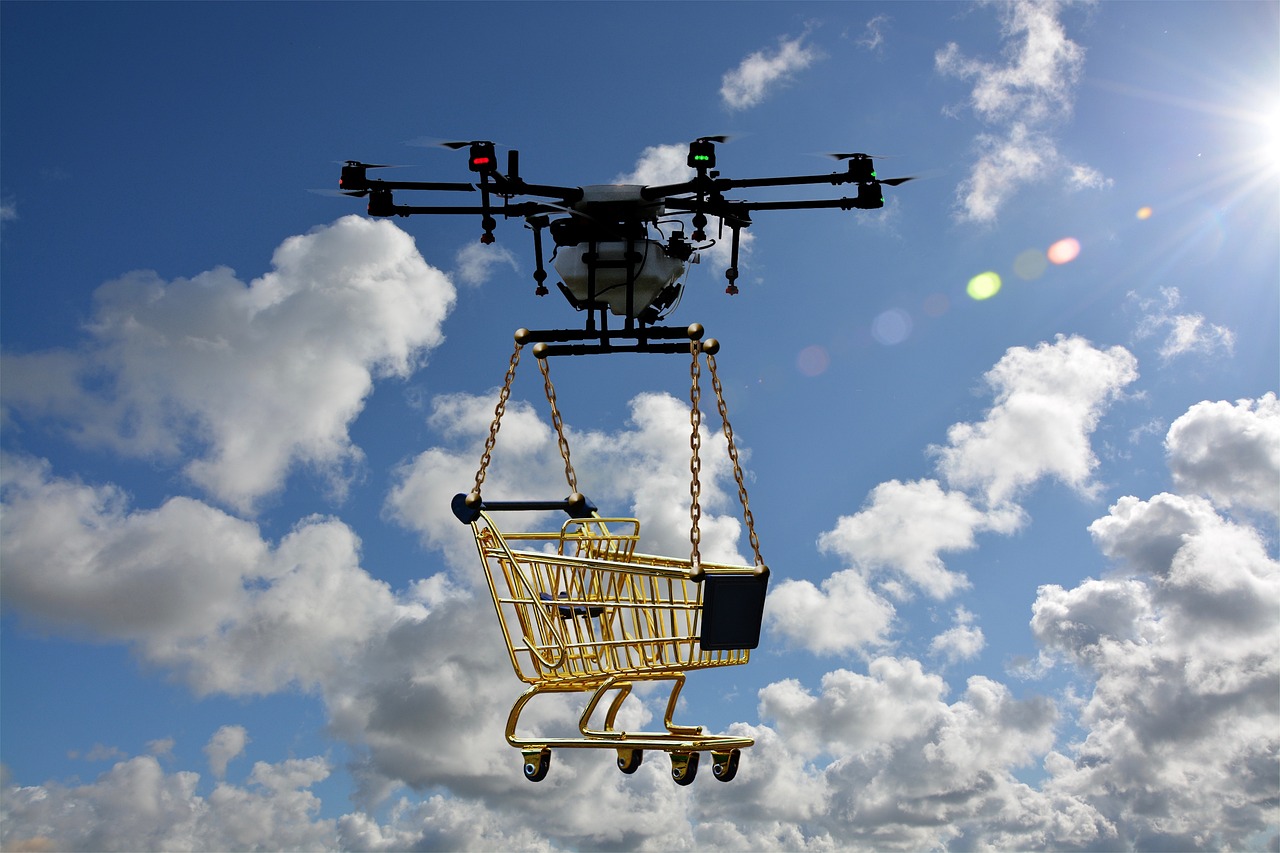
As low-cost drones reshape warfare dynamics, especially in the context of Ukraine’s defense against Russian aggression, the fusion of autonomous weapons, cyberwarfare, and satellite systems like Starlink marks a new era of military strategy. The reliance on cutting-edge technology underscores the evolving nature of warfare, where traditional paradigms are rapidly becoming obsolete. The integration of AI and drones heralds a future where precision, speed, and control redefine the battlefield, challenging conventional notions of security and sovereignty.
The intent behind the relentless push for AI-powered military systems, the means by which nations vie for dominance through technological supremacy, and the opportunity created by a global landscape in flux all converge to paint a chilling portrait of control and manipulation. The actors driving this agenda seek power and influence through the orchestration of advanced technologies, blurring the lines between safety and provocation, stability and chaos. The nexus of AI, drones, and nuclear capabilities serves as a potent reminder of the fragility of peace in a world teetering on the edge of technological brinkmanship.
Looking ahead, the trajectory of AI in warfare sets a precedent for a future where human agency is increasingly supplanted by autonomous systems, where decisions of life and death are entrusted to algorithms and machines. The stakes are high, with the potential for miscalculation and unintended consequences escalating as technology outpaces ethical considerations. As we stand at the precipice of a new era defined by AI-driven warfare, the choices we make today will shape the course of history, determining whether we relinquish control to the machines or reaffirm our commitment to human values in the face of technological determinism.