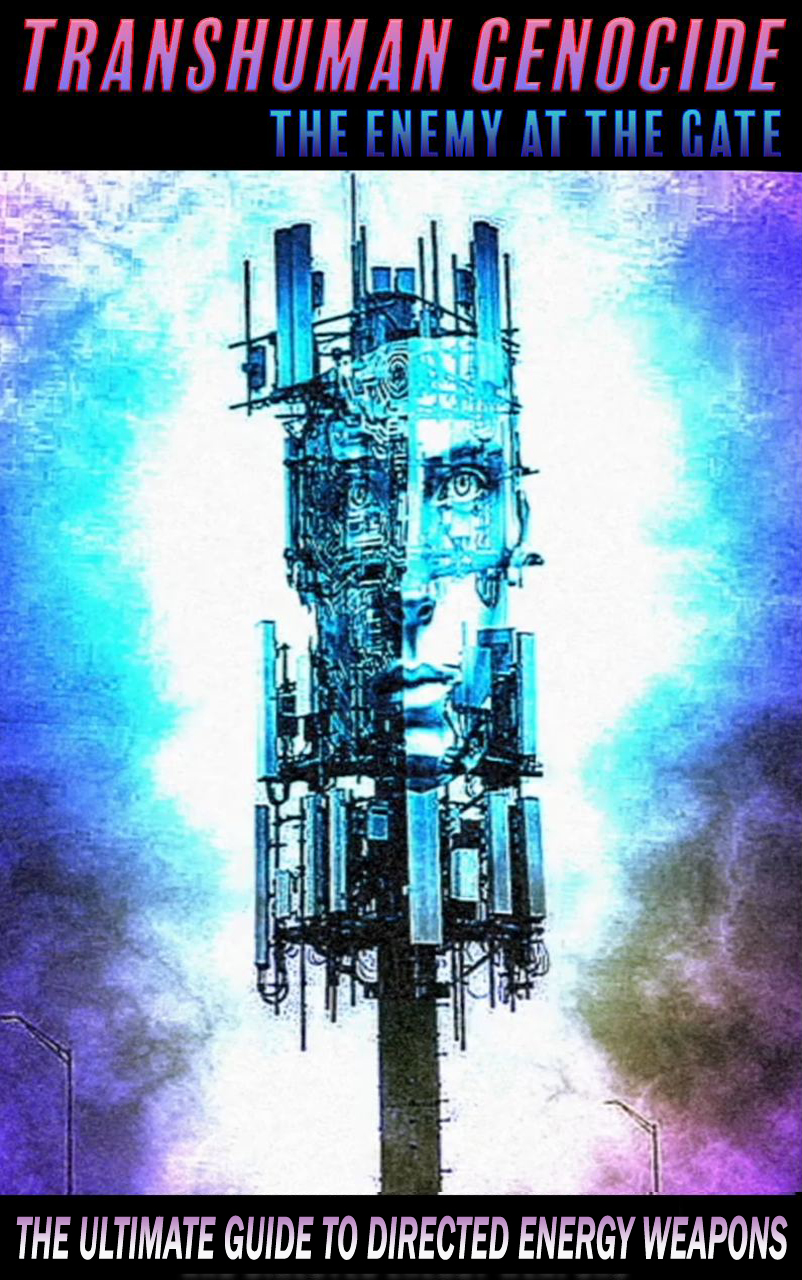
In the year 2025, the landscape of surveillance had transformed into a realm where AI-driven technologies not only observed but actively responded to human actions. Embracing machine learning, computer vision, and predictive analytics, these systems had permeated smart cities, border control zones, corporate offices, and law enforcement networks. The shift towards surveillance applications was evident, with over 70% of computer vision research dedicated to enhancing monitoring capabilities. The integration of facial recognition, behavioral prediction, geolocation tracking, emotion detection, and cloud-based surveillance marked a significant leap in control mechanisms, exemplified by China’s Skynet system and London’s predictive policing algorithms.
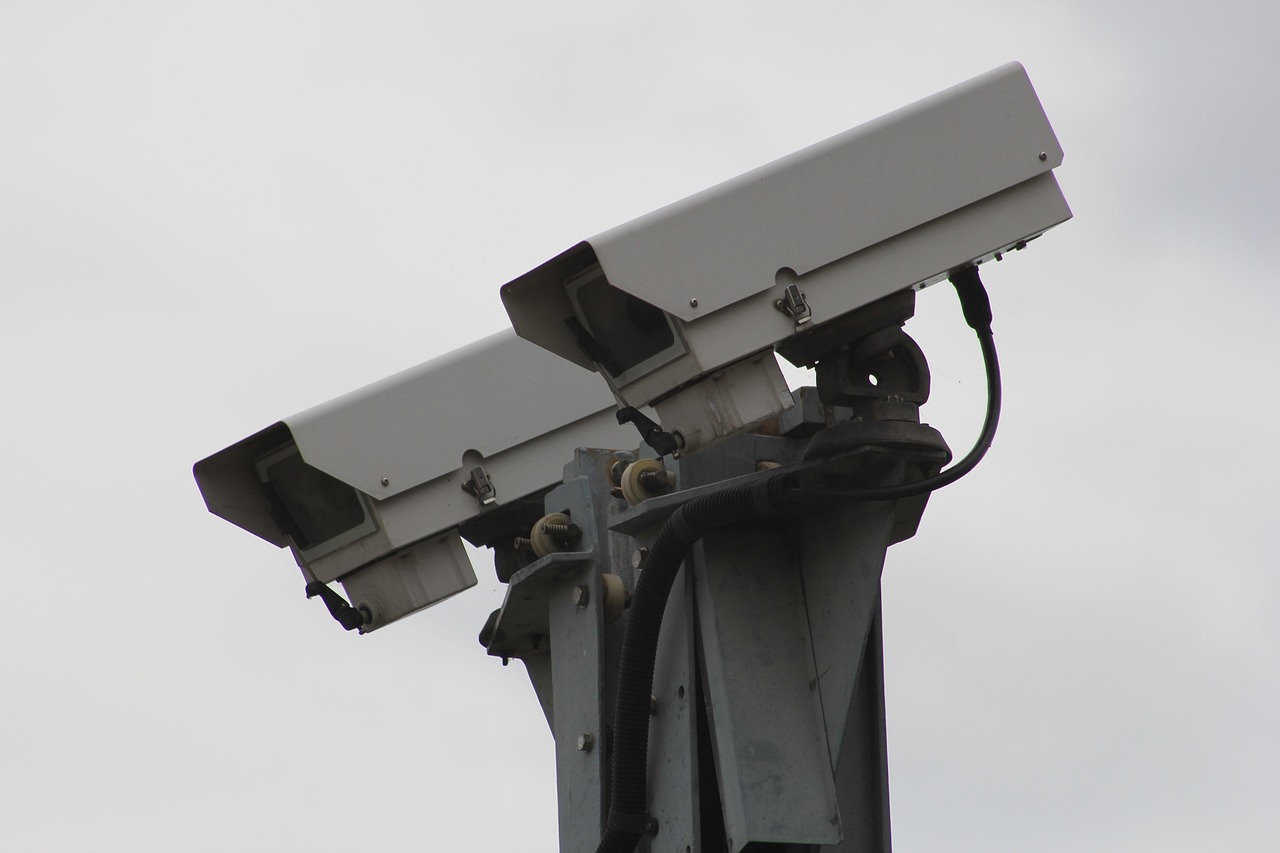
The prevailing narrative painted AI surveillance as a necessary tool for security, with promises of enhanced safety and efficiency. Ethical concerns were acknowledged, with calls for regulatory frameworks and public awareness to mitigate potential risks. However, the official story failed to address the underlying motives and implications of such pervasive surveillance measures. The true nature of these systems was not just about security but about control, manipulation, and a consolidation of power unseen in human history.
Delving deeper into the web of surveillance, it becomes evident that the integration of AI with surveillance technologies poses grave dangers to fundamental human rights. Julian Assange’s warnings about combining facial recognition with automated lethal force systems shed light on the dark path society was treading. The potential consequences on personal safety and civil liberties were dire, hinting at a future where individual autonomy was at the mercy of faceless algorithms and unchecked power.
The emergence of companies like VigieTech and OmniWatch heralded a new era where digital surveillance was not just a tool of the state but a profitable industry. Predictive algorithms and facial recognition were not just tools for security but instruments of control, prompting concerns about privacy violations and ethical breaches. As European nations scrambled to regulate these technologies, the true extent of surveillance’s impact on society came to light. Self-censorship, loss of privacy rights, and a chilling effect on dissent were the price paid for the illusion of security.
The implications of this pervasive surveillance apparatus were clear – a society where every move was tracked, every word monitored, and every dissent crushed before it could arise. The erosion of privacy and autonomy was not a side effect but a deliberate strategy to exert control over the masses. The intent of those behind the curtain was not to protect but to dominate, using technology as a weapon to subjugate and manipulate the very people it was meant to serve.
As we stand on the precipice of a future where surveillance is not just ubiquitous but insidious, the stakes have never been higher. The trajectory we are on leads not to safety and security but to a dystopian reality where freedom is a relic of the past. It is not too late to change course, to resist the encroaching tide of control, but time is running out. The battle for our future is being fought in the shadows, and only by shining a light on the truth can we hope to emerge from the darkness.