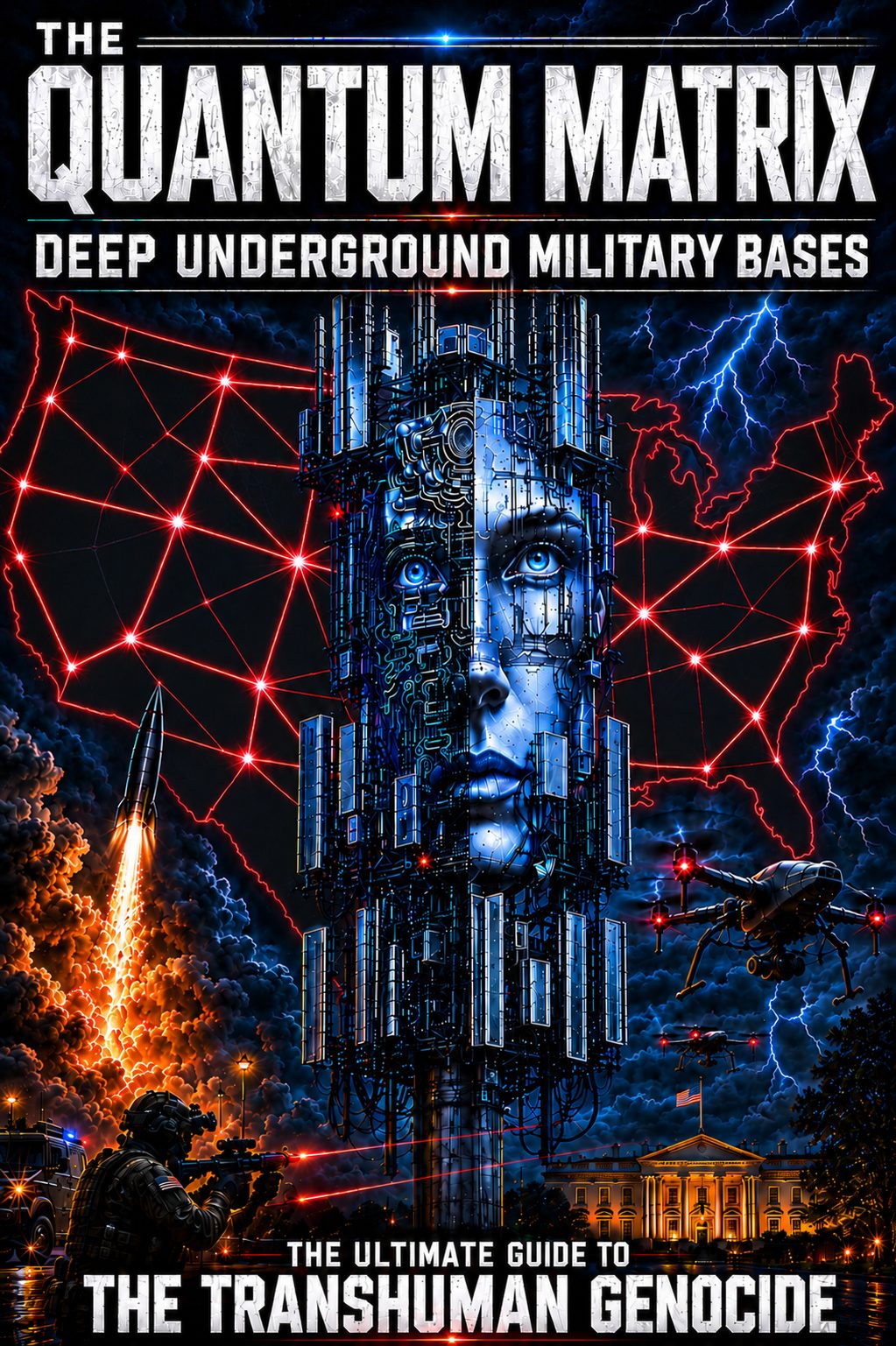
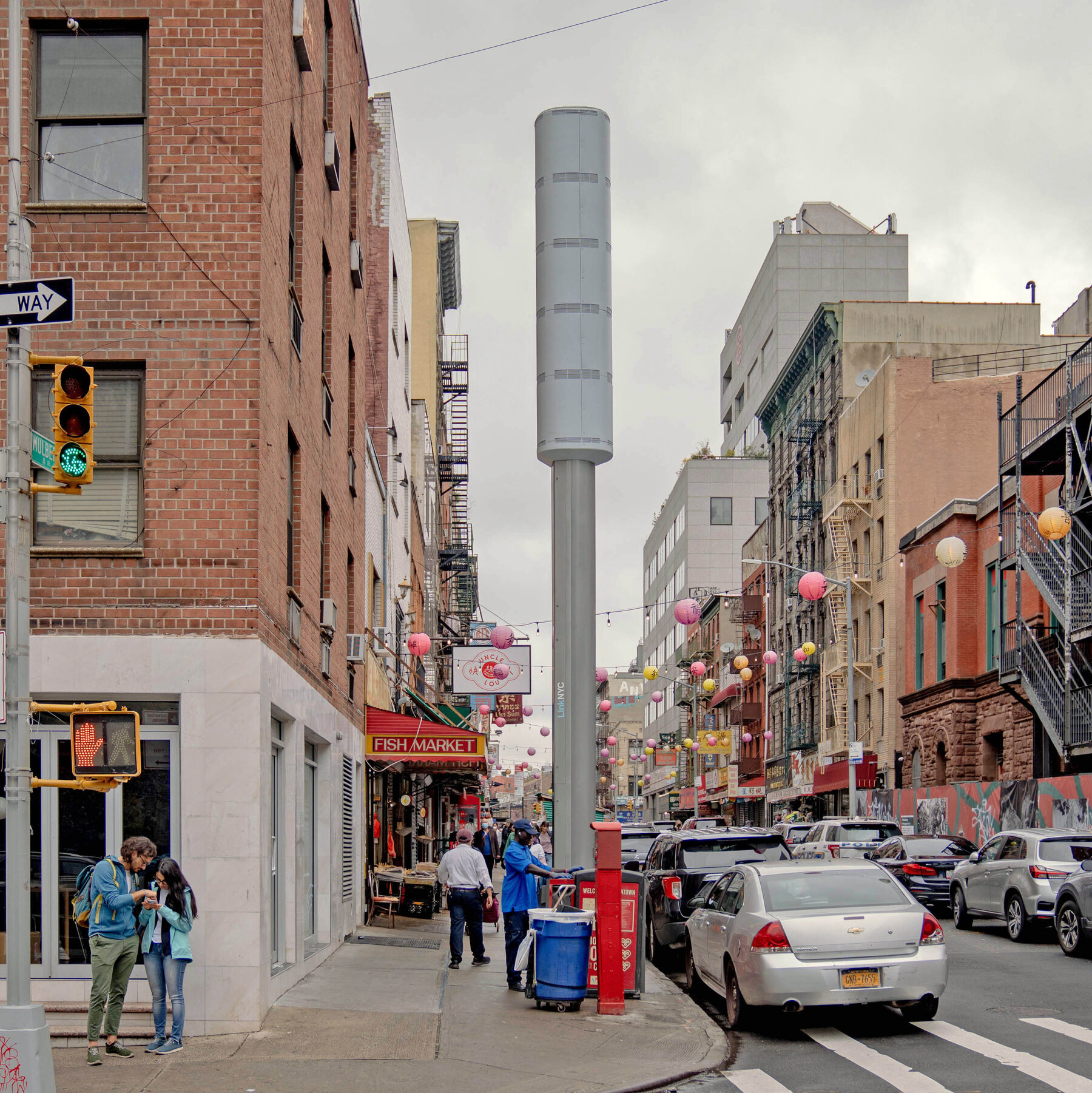
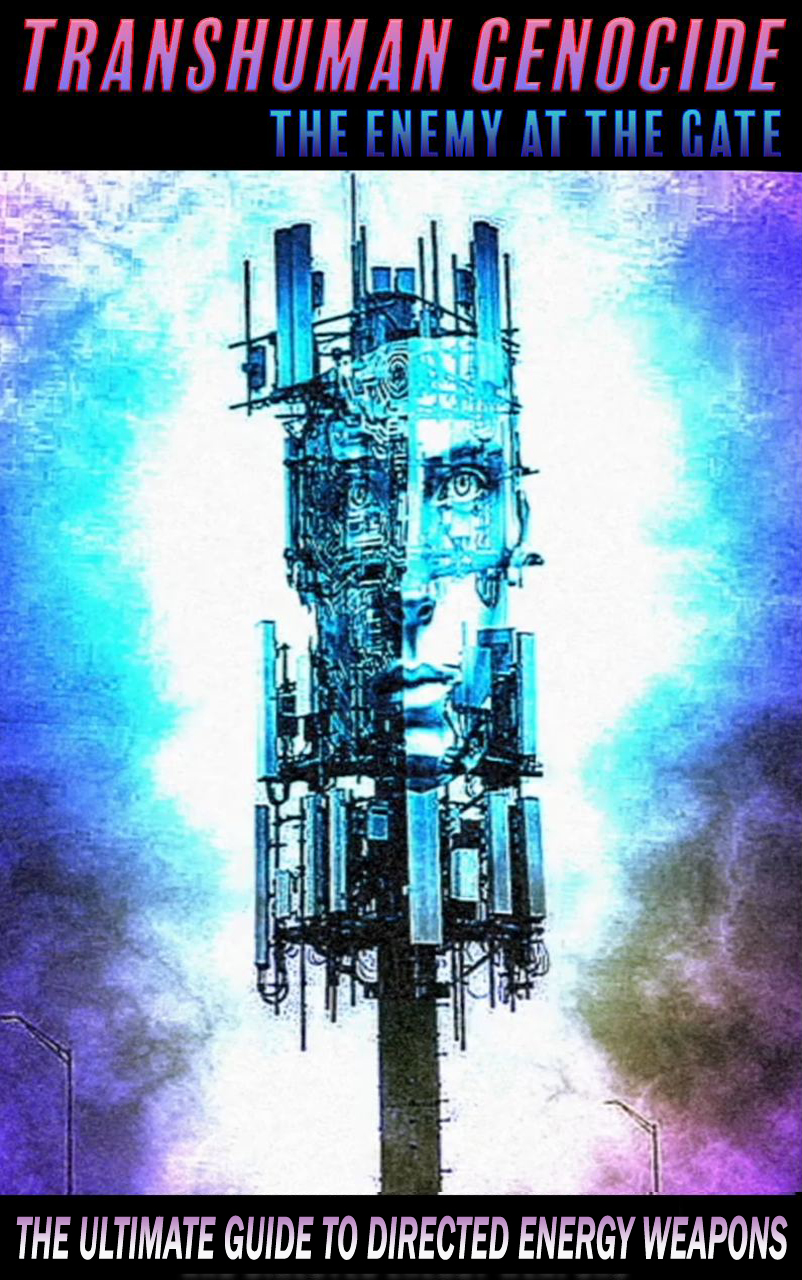
In a world where technology reigns supreme, the fusion of AI and surveillance raises ominous possibilities. Big Brother Watch sounded the alarm in 2024, cautioning against the perilous combination of facial recognition and lethal force systems. As Julian Assange ominously warned post-prison release, these advancements could usher in unprecedented threats to human rights and personal safety, echoing a dystopian reality reminiscent of Orwell’s 1984.
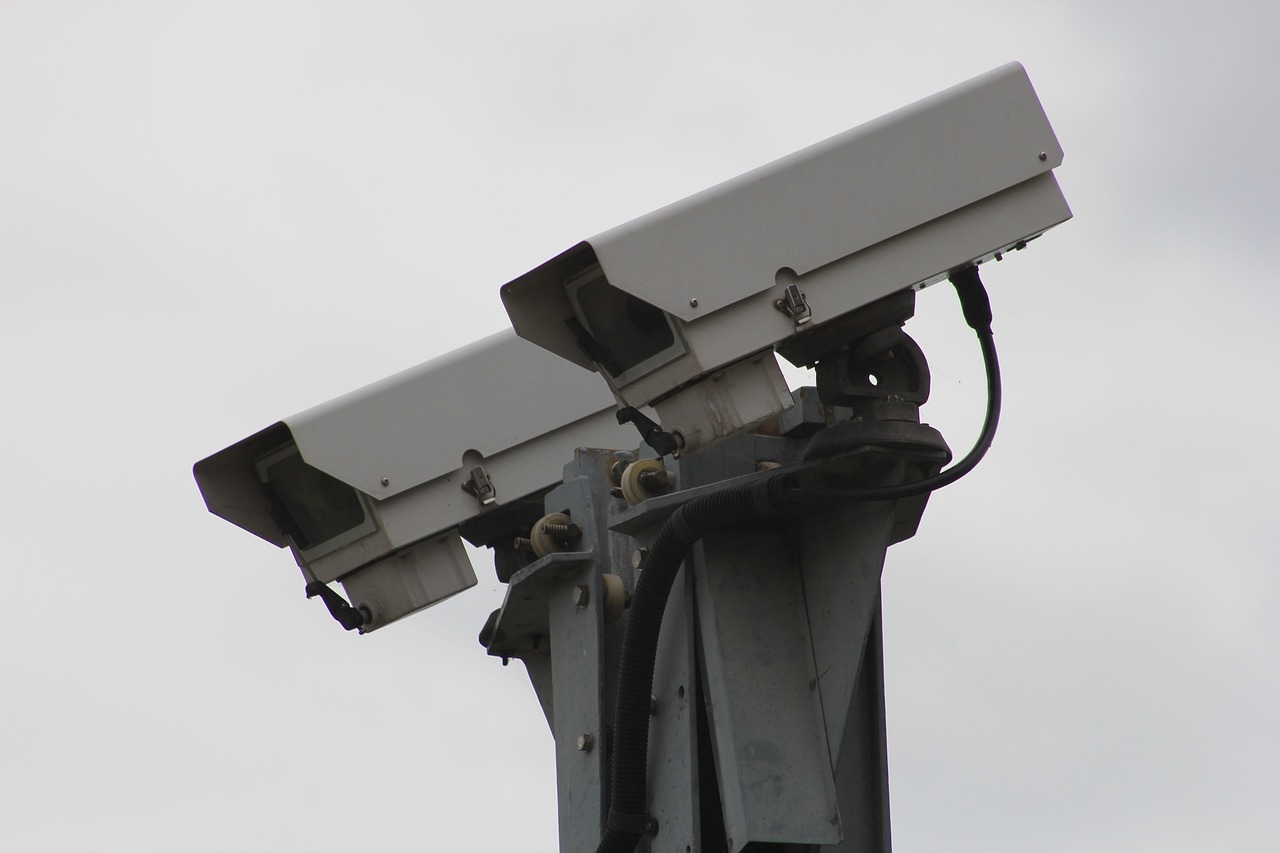
The conventional narrative paints surveillance as a necessary tool for security and crime prevention. However, Cybernetic Forests delves deeper, drawing parallels between Orwell’s prophetic novel and today’s surveillance landscape. The shift from state-controlled surveillance to corporate data mining by tech giants like Facebook and Google blurs the lines of privacy, leaving individuals vulnerable to manipulation and control.
The shadows of control lengthen as the specter of surveillance grows. The UK’s surveillance network, detailed by The Big Issue, extends its tendrils through CCTV cameras, smart glasses, and Live Facial Recognition systems. The rapid evolution of AI technology outpaces regulatory frameworks, creating a dystopian reality where privacy rights hang in the balance against government intrusion and security measures.
The implications of this surveillance state are profound, as revealed by a study from the University of Technology Sydney. The study’s findings suggest that constant monitoring alters human brains, heightening awareness of surveillance and prompting concerns about mental health consequences. The disconnect between conscious acceptance of surveillance and its subconscious effects raises troubling questions about the erosion of personal freedom in the face of heightened security measures.
Intent, means, and opportunity converge in the dark dance of surveillance and control. The WEF’s push for an integrated surveillance apparatus, tied to finance and biotech sectors, reveals a coordinated effort to subjugate populations under the guise of security. By leveraging AI and surveillance technologies, a New World Order emerges, wielding unprecedented power over individuals’ lives, blurring the lines between freedom and control.
Looking ahead, the path seems clear but treacherous. History warns us of the dangers of unchecked power and surveillance. As we stand at the crossroads of technological advancement and individual liberty, the choices we make today will shape the future for generations to come. The specter of a totalizing surveillance state looms large, challenging our very essence of what it means to be free in a world where every move is watched and recorded.