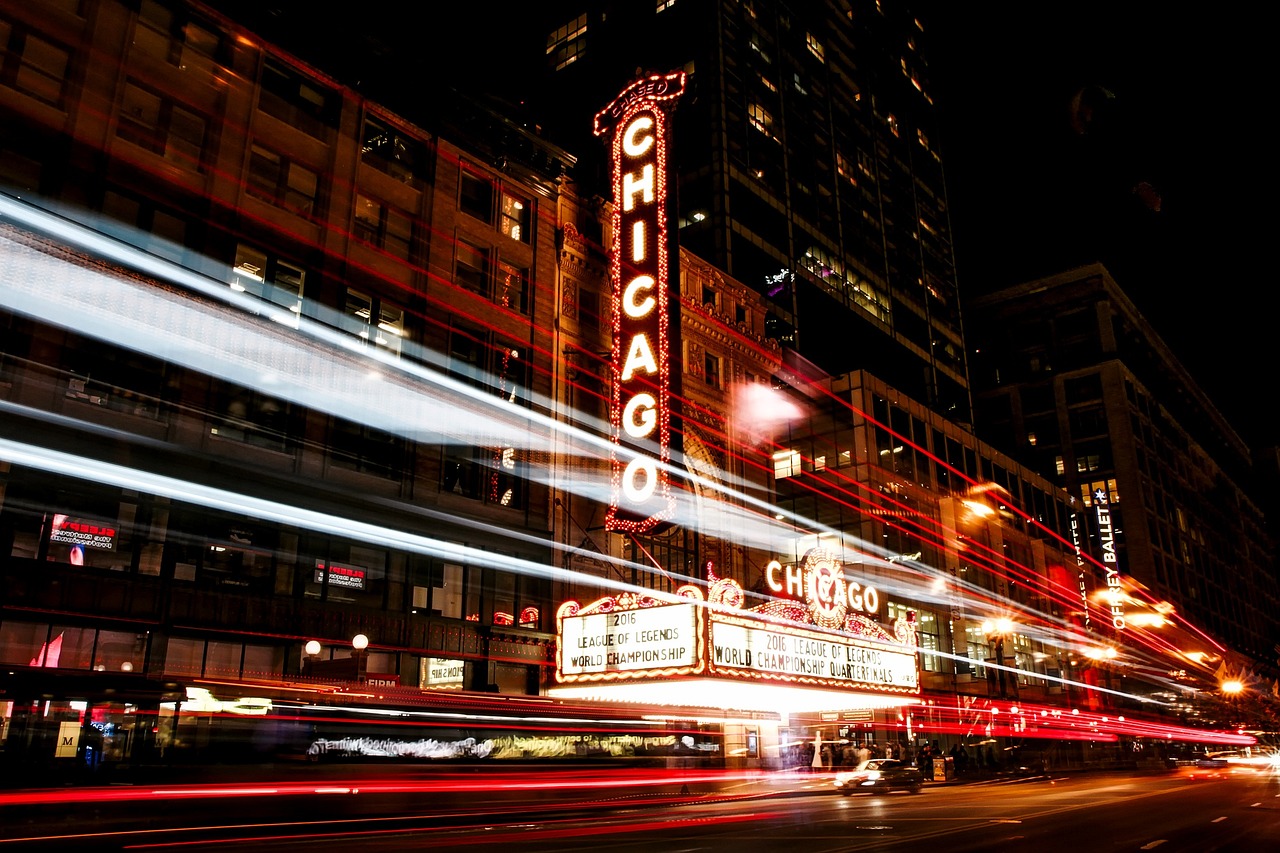
The city of Chicago stands at a crossroads, a battleground where the clash between security and civil liberties rages. On the surface, the narrative presented is one of protecting the public from potential harm through the implementation of “snap curfews” targeting large gatherings of teenagers. The official story paints a picture of swift, decisive action to maintain order in the face of escalating youth violence. However, beneath this veneer of safety lies a more insidious truth, a pattern of control and surveillance that threatens the very fabric of freedom in the city.
The pivot from the official narrative reveals a chilling reality: these “snap curfews” are not just about maintaining public safety but are part of a broader agenda of control and surveillance. The proposals put forth by the Chicago Police Department seek to grant unprecedented power to law enforcement, enabling them to impose curfews with minimal notice based on vague criteria. This move towards rapid, unchecked authority sets a dangerous precedent, paving the way for increased surveillance and control over the population.
Building the case requires a closer examination of the key players and their motivations. Alderman Brian Hopkins, a proponent of the ordinance, pushes for these measures under the guise of public safety, yet fails to address the underlying issues fueling youth violence. The timing of these proposals, coinciding with instances of unrest, raises suspicions of ulterior motives driving the push for expanded police powers. History shows us that such measures, once implemented, often lead to a slippery slope of increased surveillance and erosion of civil liberties.
The implications of these “snap curfews” extend far beyond mere curtailment of youth gatherings. The real victims of this overreach are the marginalized communities, particularly Black and Brown teenagers, who face disproportionate targeting and enforcement. By weaponizing curfews under the guise of safety, the authorities risk perpetuating a cycle of fear and control, further alienating those already marginalized by society. This move not only stifles dissent but also undermines the very principles of democracy and freedom.
The prosecution of this agenda reveals a clear intent to consolidate power in the hands of the few under the guise of public safety. The means employed, such as vague criteria and swift implementation, serve to bypass meaningful discussion and dissent, creating a climate of fear and compliance. The opportunity to exploit moments of crisis to push through draconian measures is seized upon by those seeking to expand their control over the populace. This orchestrated effort to erode civil liberties in the name of security must be met with unwavering resistance.
Looking ahead, the trajectory of such measures is ominous. If left unchecked, these “snap curfews” could pave the way for a dystopian future where civil liberties are but a distant memory, and surveillance and control reign supreme. The lessons of history warn us of the dangers of trading freedom for security, for once these mechanisms of control are in place, they are not easily dismantled. The time to challenge this encroachment on our rights is now, before we find ourselves trapped in a system where dissent is silenced, and freedom is a luxury of the past.