China’s rapid advancements in military AI technology are reshaping the landscape of modern warfare. With an estimated $15 billion investment in military AI development in a single year, China is leading the charge in creating an autonomous and interconnected military ecosystem. This investment includes the production of up to one million kamikaze drones, autonomous underwater vehicles for surveillance, and integration of humanoid robots into military strategies, showcasing a formidable display of military prowess and technological sophistication.
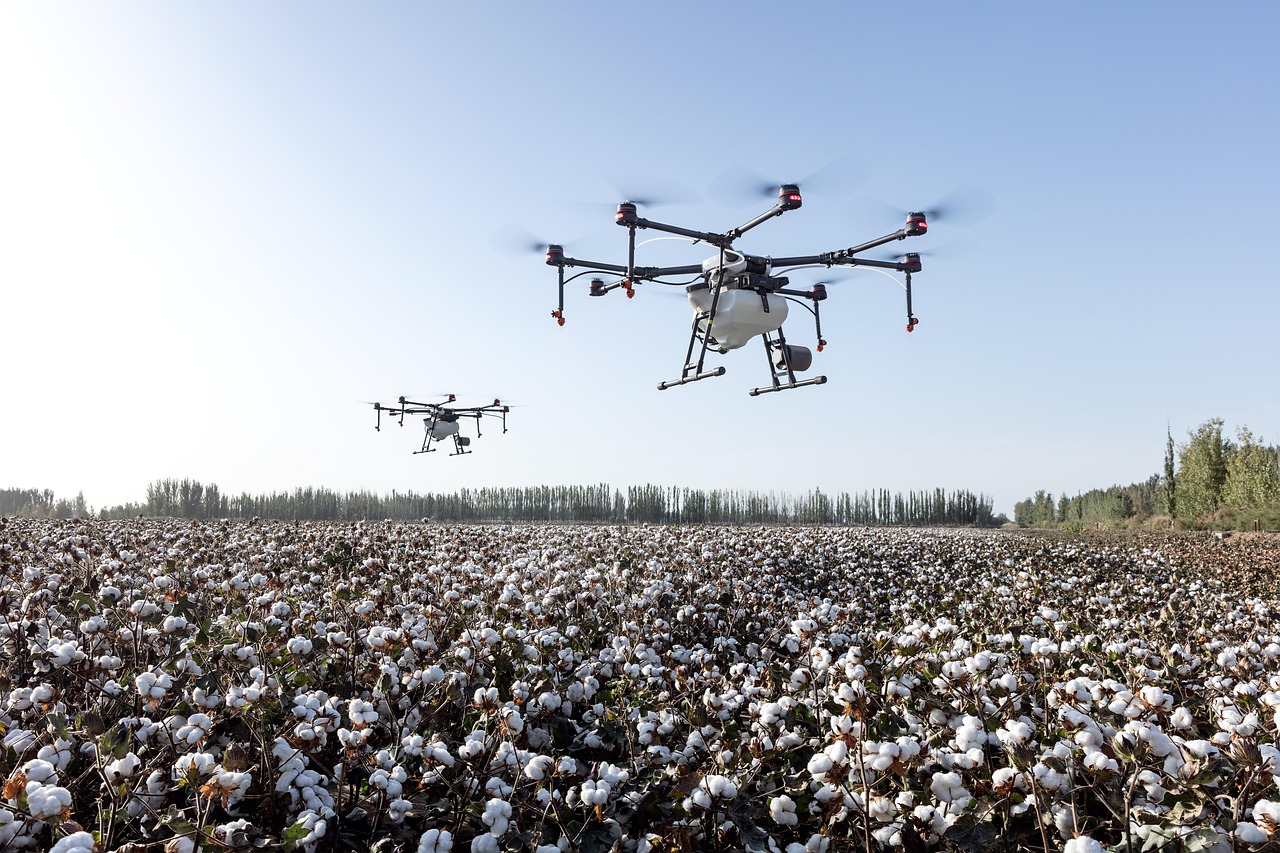
The official narrative portrays China’s AI military advancements as a necessary evolution to enhance national security and defense capabilities. The focus on AI integration into various military systems is framed as a strategic move to maintain a competitive edge in a rapidly evolving global landscape. The emphasis is placed on the defensive and protective aspects of these technologies, highlighting their potential to safeguard national interests.
However, beneath the surface lies a more intricate and concerning reality. China’s deployment of low-cost AI-powered drones, including micro drones capable of carrying grenades and being launched autonomously, signals a shift towards autonomous warfare with potentially devastating consequences. The deep integration of AI within military operations, showcased through the development of sophisticated combat systems like Fangwang-1, raises alarms about the escalation of autonomous capabilities in warfare and the implications for global security.
China’s dominance in the global drone industry, particularly in military drone production, underscores the country’s strategic positioning in shaping the future of autonomous warfare. The development of AI-powered drones that outperform human-operated UAVs, alongside the production of unmanned combat ground vehicles and aerial reconnaissance units, paints a picture of a military force poised for unprecedented levels of autonomy in combat scenarios. Moreover, China’s role as a major exporter of military drones to various nations further solidifies its influence in shaping the global military AI landscape.
The implications of China’s military AI advancements extend far beyond national borders. The integration of AI in warfare poses significant ethical and security concerns, with the potential for increased civilian casualties, reduced human oversight in decision-making processes, and heightened risks of autonomous weapon proliferation. The militarization of AI not only threatens the balance of power on the global stage but also sets a dangerous precedent for the future of warfare, where machines hold the power of life and death.
The intent behind China’s aggressive pursuit of military AI capabilities, as evidenced by the substantial investments and technological developments, is clear: to establish dominance in autonomous warfare and solidify its position as a global military powerhouse. The means through which China is achieving this goal, by integrating AI across various military platforms and exporting advanced drone technology, demonstrate a calculated strategy to reshape the dynamics of modern warfare. The opportunity for China to dictate the future of autonomous warfare is within reach, with far-reaching implications for global security and stability.
As we stand at the precipice of a new era defined by the convergence of AI and military technologies, the trajectory of China’s military AI advancements serves as a harbinger of what lies ahead. The unchecked proliferation of autonomous weapons systems, the erosion of human control in warfare, and the potential for AI-driven conflicts pose existential threats to humanity. The unfolding narrative of China’s military AI dominance demands a reevaluation of our ethical, legal, and strategic frameworks to navigate the complexities of a world where the lines between man and machine, war and peace, are increasingly blurred.