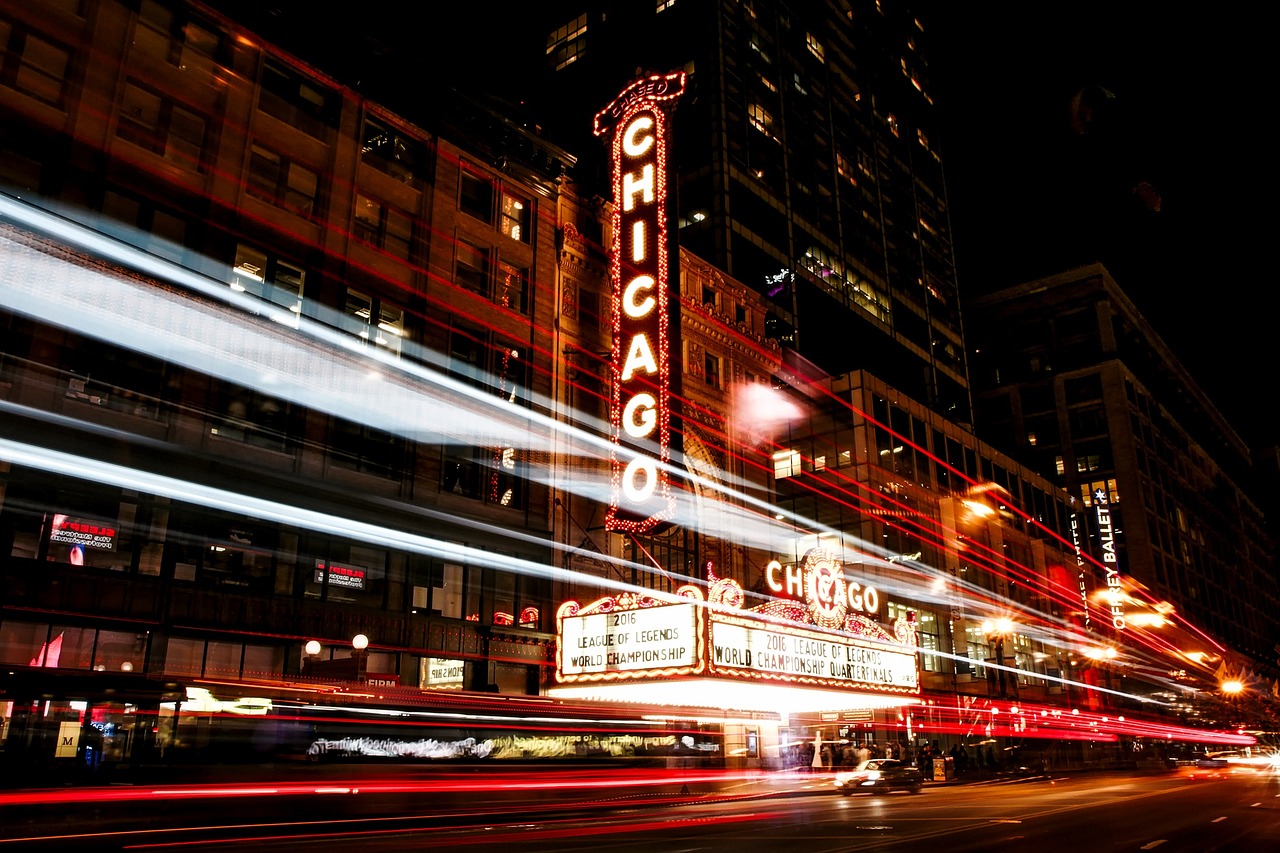
Chicago, a city teeming with life and vibrancy, yet beneath its facade of bustling streets lies a shadow of control and surveillance. The recent debates surrounding curfew ordinances have sparked a fierce battle for authority and freedom in the heart of the Windy City.
The official narrative paints these proposed curfews as necessary measures to combat rising crime rates and ensure public safety. Advocates argue that quick curfew implementation is crucial to prevent large teen gatherings that may turn violent, emphasizing the need for swift action to maintain order in the city.
However, beneath the surface lies a different truth, one that reveals a darker agenda at play. The push for these “snap curfew” ordinances is not merely about public safety but rather a calculated move towards tighter control over the population. Led by figures like Alderman Brian Hopkins and supported by select council members, these measures are a step towards a more authoritarian regime under the guise of protecting the citizens.
The timeline of events reveals a clear pattern of escalation towards increased surveillance and control. From the initial proposal to the passing of ordinances allowing unprecedented powers to law enforcement, the pieces align to form a chilling picture of orchestrated oppression. The names involved, the dates of decision-making, and the gradual erosion of civil liberties all point towards a carefully crafted plan to limit individual freedoms in the name of security.
The implications of these curfew ordinances extend far beyond mere restrictions on movement. They mark the beginning of a slippery slope towards a society where surveillance and control are the norm, where dissent is swiftly quashed under the pretense of maintaining order. It is the most vulnerable members of society, particularly teenagers and marginalized communities, who will bear the brunt of this encroachment on their rights.
In closing, the intent behind these curfew ordinances is clear: to consolidate power in the hands of a few, to stifle opposition, and to pave the way for a more authoritarian regime under the guise of public safety. The means employed, from rushed decision-making to bypassing proper channels, highlight a deliberate effort to push through these measures without genuine consent from the people. The opportunity for those in positions of authority to exploit fear and insecurity for their benefit is evident in the swift progression of these ordinances.
Looking ahead, the path we tread in Chicago is a warning to the world. It is a glimpse into a future where individual freedoms are sacrificed at the altar of control, where dissent is criminalized, and where the powerful operate with impunity. As we stand on the precipice of a new era, we must heed the lessons of history and resist the encroaching tide of authoritarianism before it engulfs us all.