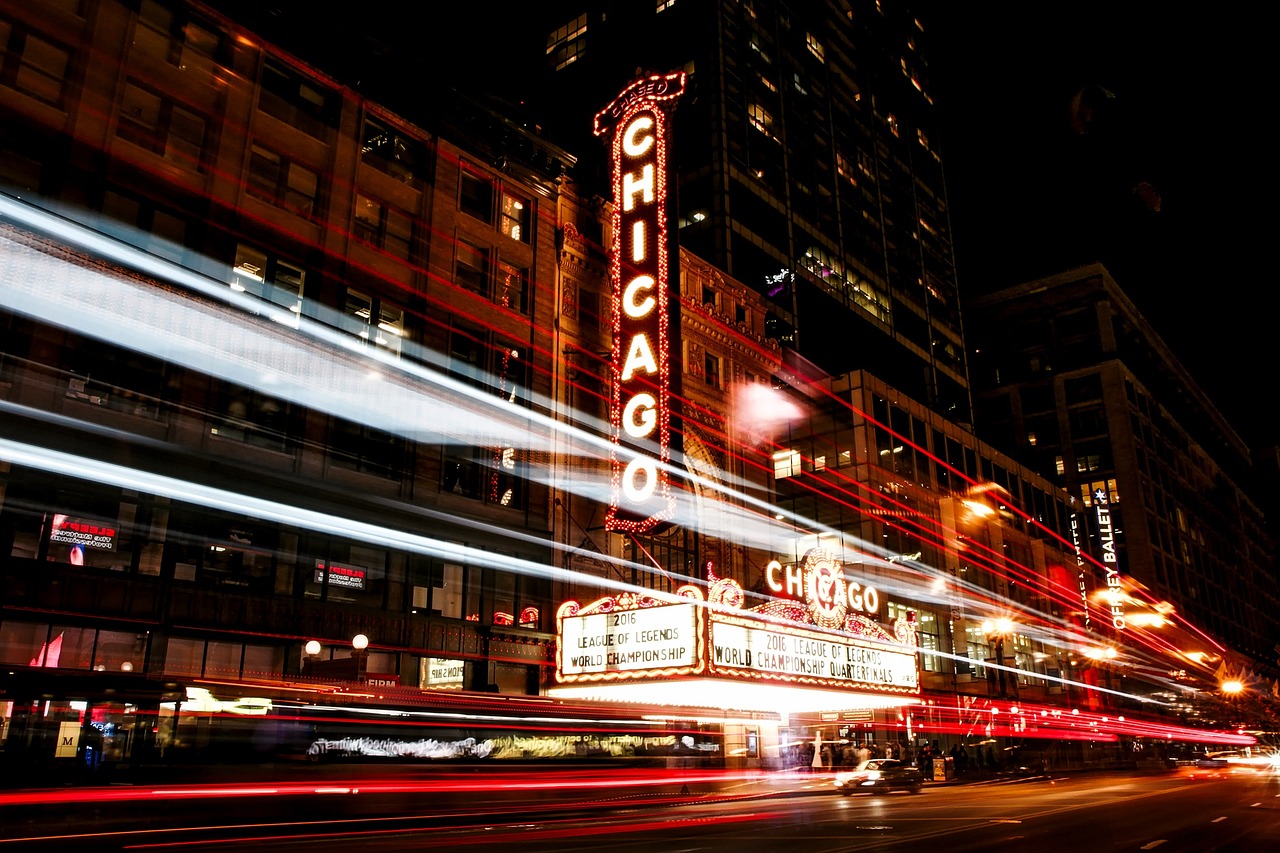
The streets of Chicago reverberated with tension as the City Council passed a contentious “snap curfew” ordinance, sparking a clash between safety and civil liberties. Advocates argued for swift measures to curb escalating youth disturbances, while dissenters, led by Mayor Brandon Johnson, championed alternative solutions to uplift the community. The stage was set for a showdown, revealing deeper currents beneath the surface.
In the official narrative, the curfew ordinance was portrayed as a necessary tool to address the surge in disruptive teen gatherings, with proponents emphasizing public safety concerns. However, this narrative obscured the true nature of the control mechanisms being put in place, under the guise of maintaining order and security.
The proposed curfew measures, spearheaded by Ald. Brian Hopkins and supported by law enforcement figures like Chicago Police Supt. Larry Snelling, revealed a more insidious agenda at play. By allowing for snap curfews based on vague criteria like social media posts and past gatherings, the mechanisms of surveillance and control were being woven into the fabric of daily life, eroding the rights of the young population.
The implications of these curfew proposals extended far beyond temporary restrictions on youth gatherings. They served as a testing ground for broader strategies of population control, with marginalized communities, particularly Black and Brown teenagers, bearing the brunt of discriminatory enforcement practices. The erosion of civil liberties under the guise of public safety set a dangerous precedent for unchecked authority.
This orchestrated push for increased surveillance and control over youth activities was not a random occurrence but part of a larger agenda with specific intent, means, and opportunity. The alignment of city officials, law enforcement, and select council members to push through these measures highlighted a coordinated effort to exert control under the pretext of safety.
As we look to the future, the Chicago curfew saga serves as a microcosm of a larger global trend towards centralized control and surveillance. The convergence of technology, policy, and power threatens to reshape our societies into controlled environments where individual freedoms are sacrificed for the illusion of security. It falls upon us to recognize these patterns, challenge the narratives of control, and safeguard our liberties against encroaching forces of oppression.