Chicago, a city once known for its vibrant culture and bustling streets, now finds itself at a crossroads of conflict and control. The official narrative paints a picture of a city grappling with “teen takeovers” and implementing snap curfews as a solution to maintain public safety. However, beneath this veneer of protection lies a more insidious agenda driven by forces seeking to tighten their grip on society.
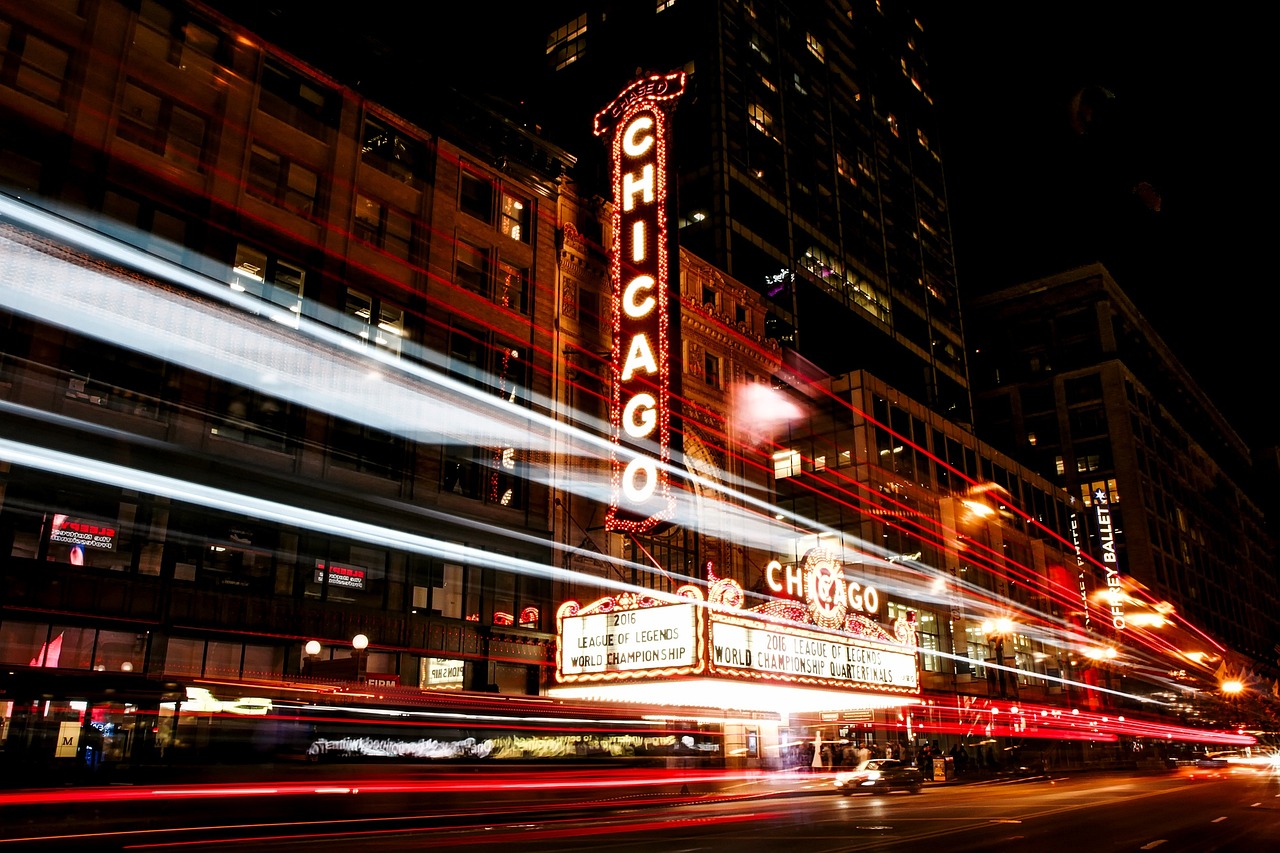
The mainstream story portrays the Chicago City Council’s passing of a snap curfew ordinance as a response to the rising incidents of chaotic gatherings involving teenagers. Mayor Brandon Johnson’s opposition, citing concerns about community trust and potential violations of civil liberties, sets the stage for a clash between safety and freedom within the city.
Yet, hidden within the layers of legislative debate and public discourse lies a darker truth. The revised curfew ordinance proposed by Ald. Brian Hopkins unveils a carefully crafted mechanism of control, empowering authorities to impose sudden curfews based on vague criteria like social media posts and historical gatherings. This move goes beyond mere safety measures, hinting at a systematic strategy of surveillance and preemptive control.
The implications of these curfew ordinances extend far beyond the surface level of tackling teen gatherings. By normalizing the use of curfews and granting authorities unchecked powers to restrict public assembly, a dangerous precedent is set. The real victims of such measures are not just the teenagers targeted by these policies but every individual whose rights are eroded in the name of security.
As we piece together the puzzle of power dynamics at play, the intent becomes clear: to instill fear, normalize surveillance, and pave the way for greater control over the population. The means, utilizing vague justifications and bypassing traditional legal safeguards, reveal a calculated strategy to erode civil liberties under the guise of public safety. The opportunity arises from the chaos and fear sown within society, providing the perfect breeding ground for authoritarian measures to take root.
Looking ahead, the trajectory seems ominous. If unchecked, these incremental steps towards a surveillance state will lead not to safety and order but to a society shackled by fear and control. Chicago’s struggle is a microcosm of a larger global agenda, where individual freedoms are sacrificed at the altar of security, paving the way for a world where freedom is a relic of the past. As the shadows of authoritarianism lengthen, it becomes imperative for every individual to resist the encroaching darkness and stand vigilant against the forces that seek to subjugate humanity.