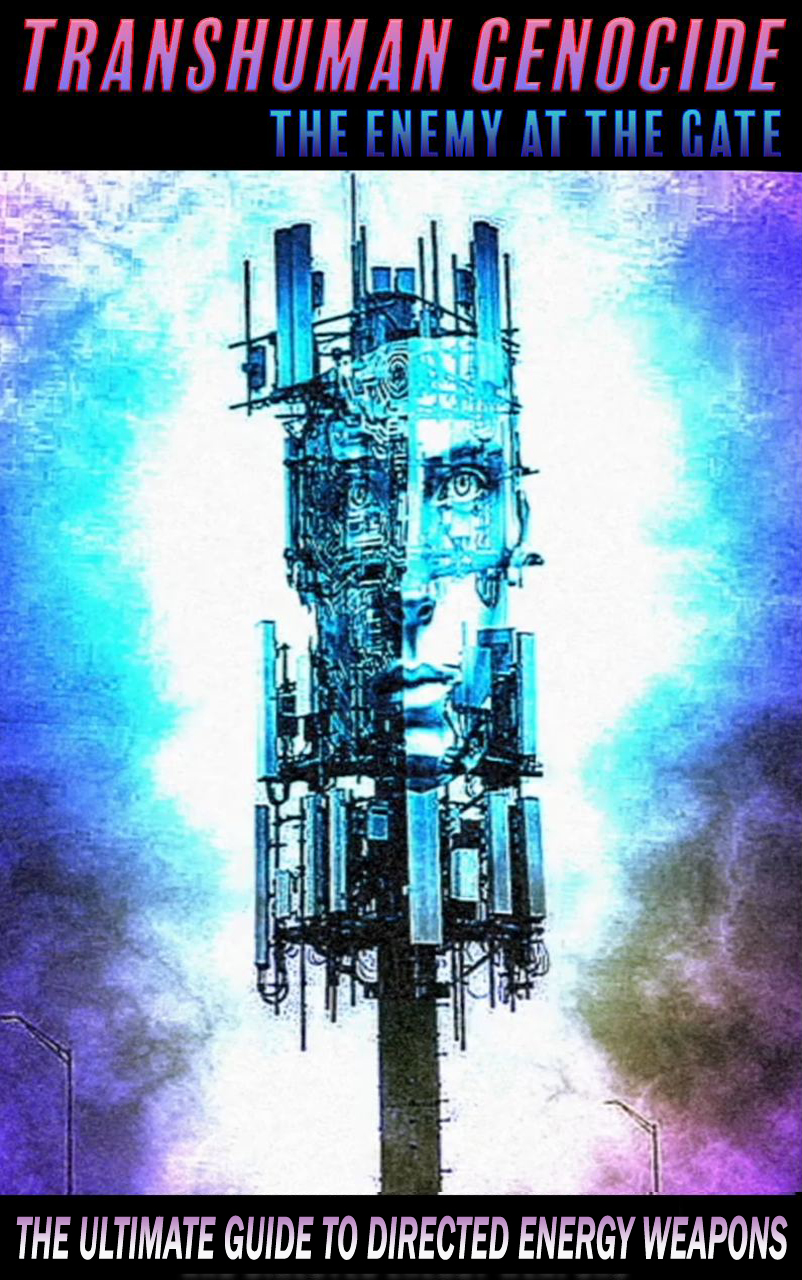
The dawn of a new era in human-machine integration has arrived, promising remarkable advancements in neuroscience and technology. Brain-computer interfaces, once the stuff of science fiction, are now tangible realities, courtesy of Elon Musk’s Neuralink project. The official narrative paints a rosy picture of hope and progress, emphasizing the potential to aid those with disabilities and revolutionize human capabilities.

However, beneath this veneer of benevolence lies a more ominous truth. Neuralink’s endeavors, epitomized by their brain chip implant named Telepathy, are not solely driven by altruistic motives. This convergence of human minds with artificial intelligence, under the guise of enhancing human potential, raises serious concerns about privacy, autonomy, and the very essence of what it means to be human.
The unveiling of “The Link,” Neuralink’s brain chip implant, marks a pivotal moment in our understanding of the intersection between technology and consciousness. As Musk’s ambitions extend beyond mere assistance for neurological disorders to encompass the fusion of AI with human cognition, the stakes have never been higher. Companies like Synchron are also on the vanguard of this technological revolution, heralding a future where our thoughts can be translated into actions with unprecedented precision.
The implications of this technological leap are profound and far-reaching. The quest for decoding neural activity and restoring bodily functions through brain chip implants opens a Pandora’s box of ethical dilemmas. The very essence of individual privacy, cybersecurity, and the sanctity of the human mind are now under threat from the relentless march of progress.
In light of these developments, it is imperative to recognize the true intentions behind the push for widespread adoption of brain-computer interfaces. The fusion of AI with human brains, under the guise of enhancing human capabilities, serves a darker purpose: the consolidation of control and the erosion of individual autonomy. The means are subtle yet insidious, cloaked in promises of empowerment while concealing the chains of subjugation.
As we stand at the precipice of a future where minds and machines meld into a singular entity, we must heed the lessons of history. The allure of technological advancement must not blind us to the dangers of unchecked power and control. The path ahead is fraught with peril, but it is not yet set in stone. The choice is ours to make: to embrace a future of liberation and empowerment or to succumb to the siren song of convenience at the cost of our very humanity.