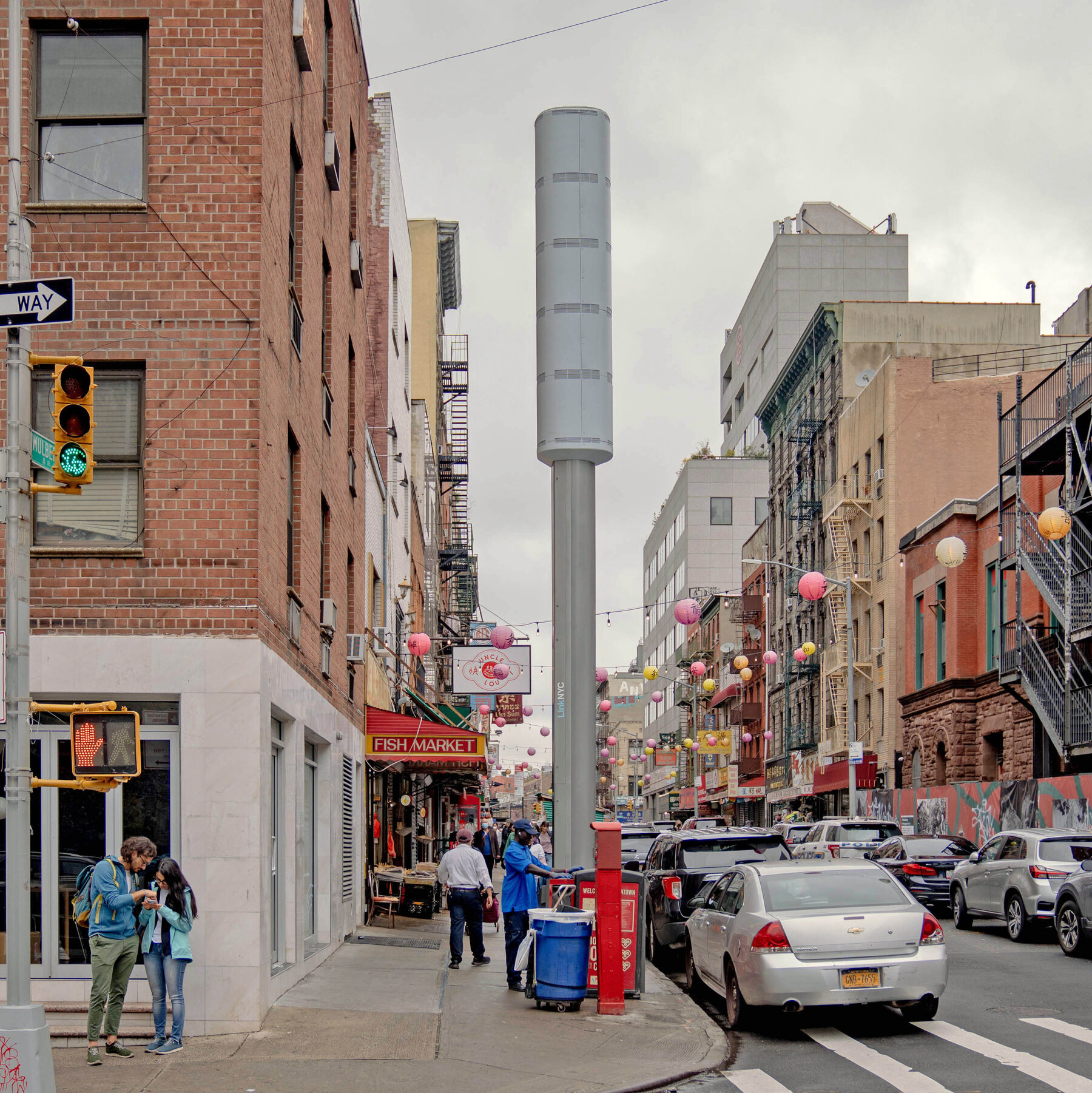
A study conducted by Associate Professor Kiley Seymour at the University of Technology Sydney found that surveillance cameras can affect the unconscious way our brains perceive the world. The study involved 54 undergraduate students split into monitored and control groups, with the monitored group becoming hyper-aware of face stimuli faster than the control group when being watched by surveillance cameras. This heightened awareness taps into ancient survival mechanisms, enhancing the ability to detect potential threats. The effects were specific to social stimuli like faces and were not due to increased effort or alertness. The study suggests that technological surveillance may be modifying basic perceptual processes and reshaping human cognition and social interaction.
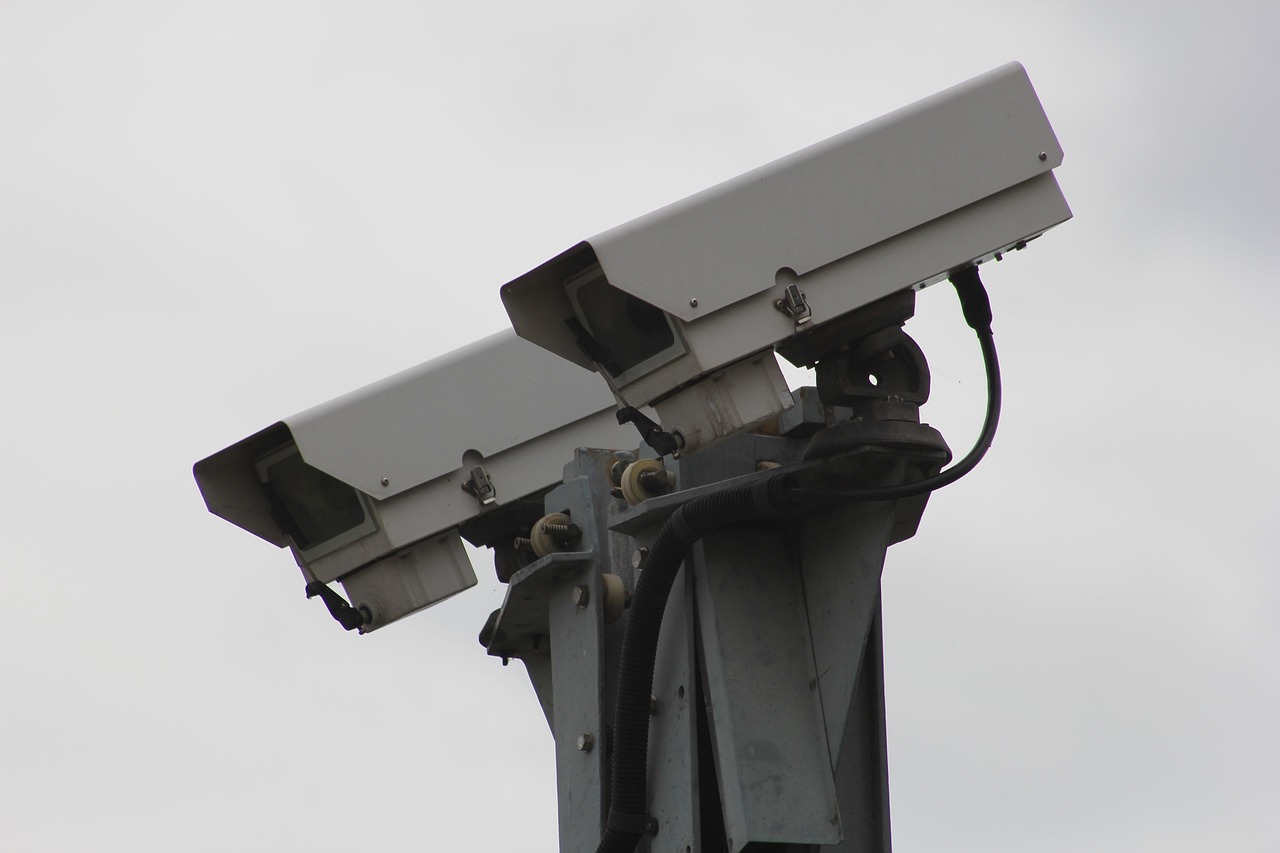
The mainstream narrative often dismisses concerns about surveillance as mere conspiracy theories, rooted in dystopian fiction like George Orwell’s “1984.” It acknowledges surveillance but frames it as a necessary trade-off for security in the digital age. While acknowledging privacy concerns, it argues that surveillance is essential for crime prevention and national security, downplaying its impact on individual autonomy and mental well-being.
However, a study led by Kiley Seymour from the University of Technology Sydney reveals a more insidious aspect of surveillance. It suggests that surveillance cameras may be altering fundamental perceptual processes on a subconscious level, influencing how our brains process visual information. By enhancing the detection of faces through continuous monitoring, surveillance could be triggering ancient survival mechanisms, subtly reshaping our cognitive responses without our conscious awareness.
Building on this insight, the University of Technology Sydney’s research sheds light on a broader pattern of control and manipulation through surveillance. The study’s findings align with historical precedents of surveillance being used as a tool for social control, echoing past regimes that utilized pervasive monitoring to suppress dissent and shape behavior. By normalizing surveillance, a dangerous precedent is set, one that erodes individual autonomy, fosters hyper-awareness, and potentially exacerbates mental health issues within society.
The implications of this orchestrated surveillance extend far beyond individual privacy concerns. It represents a mechanism of control that operates on a subconscious level, influencing not just behavior but also mental well-being. The most vulnerable in society, those already struggling with mental health challenges, are at heightened risk of experiencing further distress under the weight of constant monitoring. The path laid out by the integration of surveillance into everyday life leads towards a future where autonomy is a luxury, and individual agency is subverted by a system designed to manipulate and mold perceptions.
In closing, the intent behind the pervasive surveillance apparatus becomes clear: control. The means employed, from altering basic perceptual processes to fostering hyper-awareness, serve to shape a populace that is pliable and easily influenced. The opportunity to exert this control arises from the seamless integration of surveillance technologies into our daily lives, creating a web of monitoring that ensnares even the most intimate aspects of human existence. As we stand on the precipice of a future where surveillance is omnipresent, the question of who truly benefits from this control looms large, challenging us to resist the encroachment of the surveillance state and safeguard our mental well-being and freedom.
Looking ahead, the trajectory of this surveillance agenda mirrors historical patterns of control and manipulation. The fusion of technology with surveillance capabilities heralds a future where individual autonomy is increasingly eroded in the name of security and efficiency. To safeguard our humanity and preserve our agency, it is imperative to recognize the insidious nature of this growing surveillance state and take proactive steps to reclaim our privacy rights and mental well-being from the grasp of those who seek to mold us into compliant subjects of a new world order.