A study conducted by Associate Professor Kiley Seymour at the University of Technology Sydney found that surveillance cameras can significantly impact the unconscious way our brains perceive visual information. The research involved 54 undergraduate students who were split into two groups, with one group being monitored by surveillance cameras while completing a visual task. The study used a technique called continuous flash suppression (CFS) to measure how quickly participants became aware of faces shown to them. The results showed that being monitored by surveillance cameras made participants more hyper-aware of face stimuli, suggesting that surveillance taps into evolutionary neural circuits for processing social information. The study highlights the potential effects of surveillance on mental health and consciousness, indicating that constant observation may be modifying basic perceptual processes.
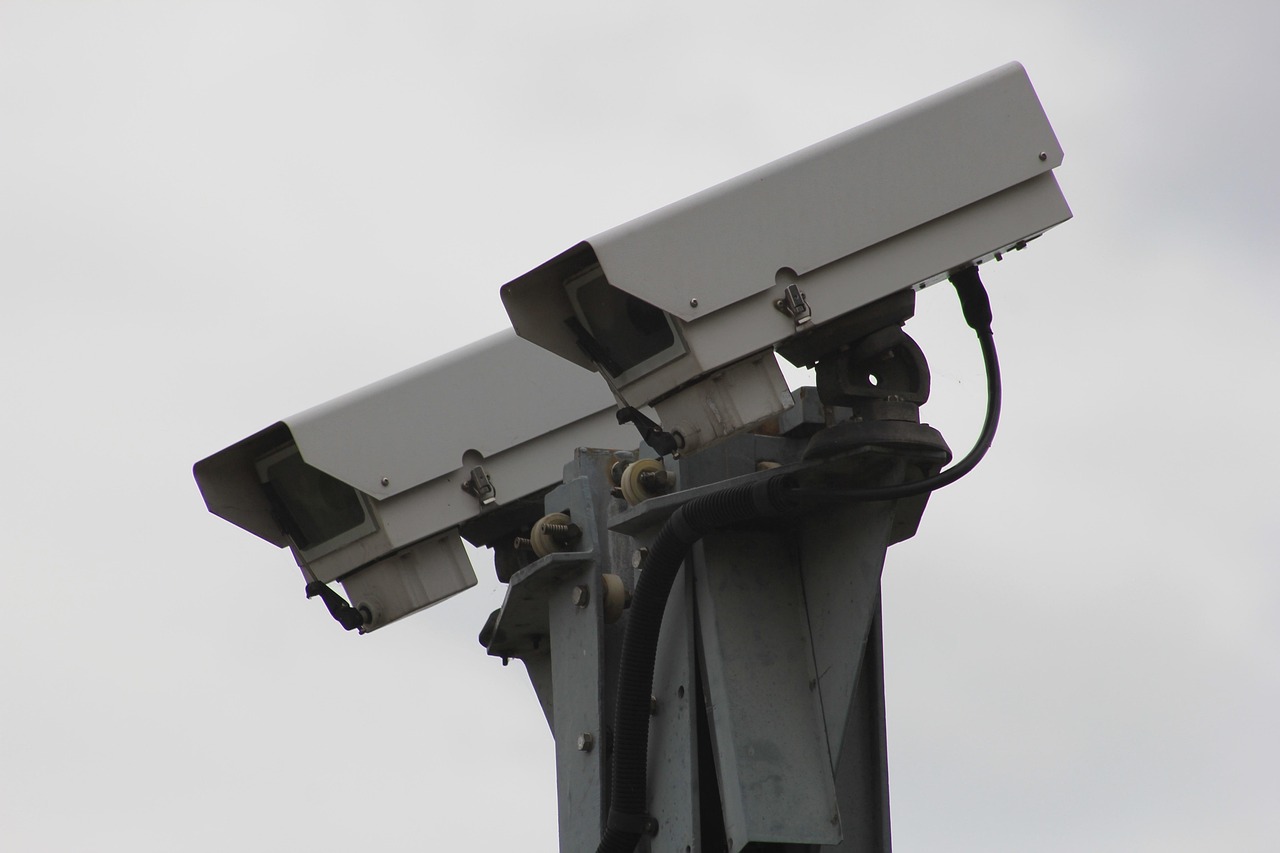
The article titled “Big brother: the effects of surveillance on fundamental aspects of social vision” by Kiley Seymour, Jarrod McNicoll, and Roger Koenig-Robert explores the impact of surveillance on human perceptual awareness and cognition. The study shows that being watched on CCTV can affect the ability to consciously detect faces, with surveilled participants being quicker to detect faces compared to controls. The research suggests that surveillance can impact both consciously controlled behaviors and unconscious, involuntary visual processing.
The mainstream narrative often portrays surveillance as a necessary tool for security and safety, balancing privacy concerns with technological advancements. However, the reality of the Surveillance State goes beyond mere protection, delving into a realm of control and manipulation. Surveillance technologies, in the hands of governments and corporations, have created a system where individuals are constantly monitored, eroding privacy rights and personal freedoms. This insidious growth of surveillance mirrors Orwellian dystopias, with the watched and the watchers forming a new societal hierarchy.
The rise of the Surveillance State is not just a passive observation tool; it is a deliberate mechanism of control wielded by those in power. Through public-private partnerships, governments and corporations have constructed a web of surveillance that ensnares individuals in a constant state of monitoring. Cameras, drones, facial recognition technology – these are not just tools for security but instruments of social engineering. The erosion of privacy rights under the guise of safety is a calculated move to exert influence over populations, shaping behavior and thought under the watchful eye of the unseen controllers.
The implications of this pervasive surveillance are profound. It goes beyond the erosion of privacy; it infiltrates the very fabric of society, altering how individuals perceive reality and interact with each other. The effects on mental health, consciousness, and social dynamics are far-reaching, creating a world where every move is scrutinized and every thought potentially monitored. Those most affected are not just individuals but the collective psyche of humanity, as the Surveillance State embeds itself deeper into the daily lives of people across the globe.
The intent of the Surveillance State is clear – to exert control, manipulate behavior, and maintain a hierarchical power structure where the few dictate the lives of the many. The means through which this control is exerted, whether through technological advancements or legislative frameworks, all serve the ultimate purpose of dominance and subjugation. The opportunity to implement such a system arises from the convergence of interests between governments, corporations, and other powerful entities seeking to maintain their supremacy through the lens of surveillance.
As we stand at this pivotal moment in history, where the Surveillance State looms larger than ever, we must heed the warnings of the past and the insights of the present. The trajectory we are on, if left unchecked, leads not to a society of freedom and autonomy but to one of constant observation and control. The battle for privacy, for individual agency, is not just a theoretical debate but a fundamental struggle for the soul of humanity itself. The choices we make today will determine the world we inhabit tomorrow – a world either shackled by surveillance or liberated by the light of truth and autonomy.