## The Unseen Architect of Chaos: A Global Security Report
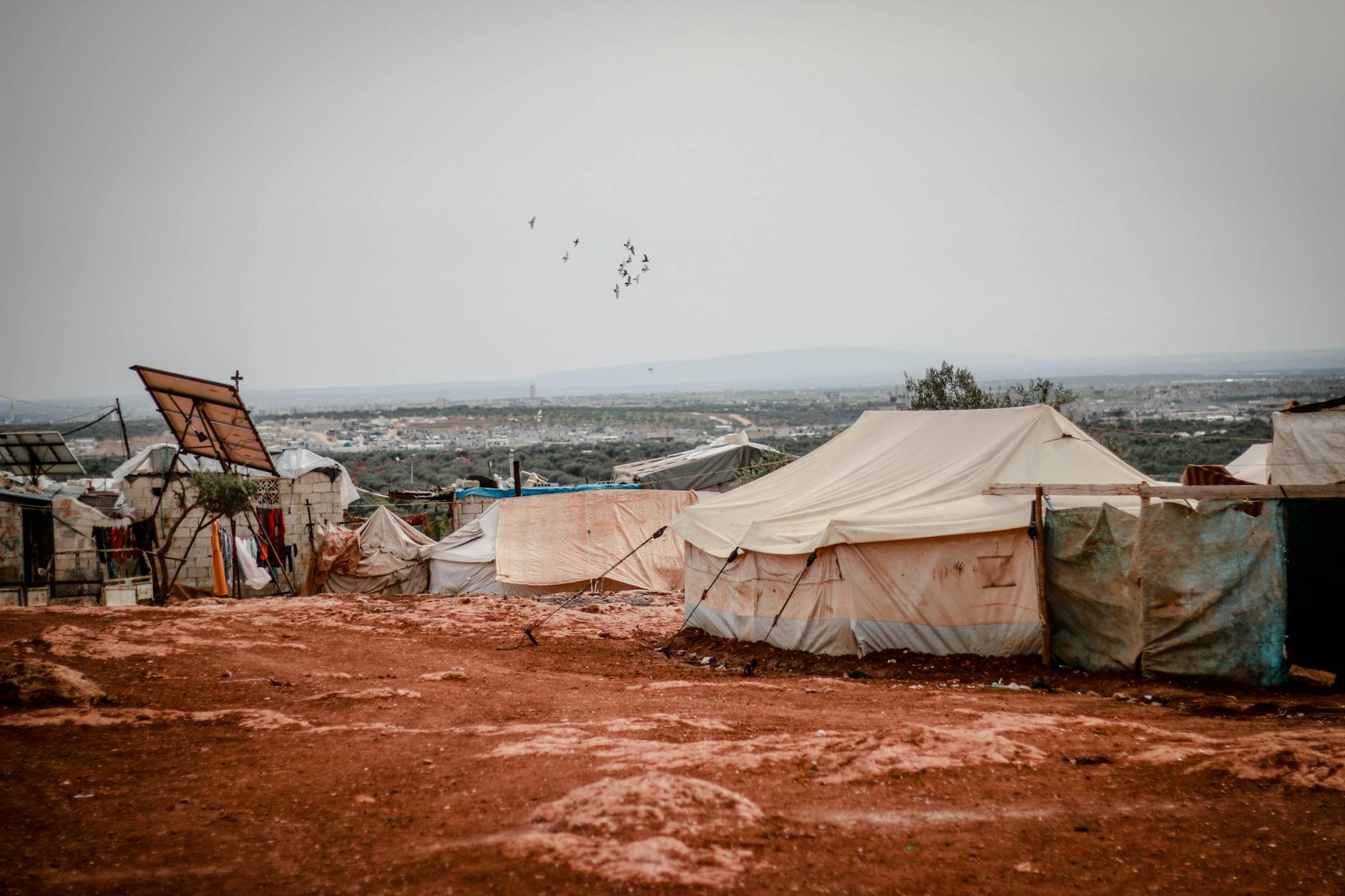
The world teeters on a precipice of escalating instability, a complex tapestry woven with threads of active conflict and simmering tension. A recent assessment reveals a landscape riddled with **14 active conflicts** and **28 distinct tension zones**, culminating in **42 total situations** under constant global monitoring, according to defconlevel.com. This volatile environment is further complicated by the looming specter of **8 nuclear risk zones**, a stark reminder of the catastrophic potential inherent in these disputes. The human cost is already staggering, with over **214,938 displaced persons** caught in the crosshairs of these relentless struggles, their lives uprooted by forces that often operate beyond the public eye.
Among the myriad global flashpoints, several stand out as having a “Critical” impact on international interests, particularly for major global powers. The Council on Foreign Relations’ Global Conflict Tracker identifies these as urgent priorities. The **Confrontation Over Taiwan** is steadily worsening, mirroring a dangerous geopolitical chess match. Simultaneously, **Iran’s War With Israel and the United States** continues its perilous escalation, threatening to engulf the wider Middle East. The **U.S. Confrontation With Venezuela** remains a persistent, unchanging source of regional friction, while the **War in Ukraine** grinds on, an unyielding testament to the fragility of European peace. Further east, the **North Korea Crisis** maintains its unnerving stasis, a constant nuclear shadow. These critical zones represent not merely isolated incidents but interconnected nodes in a larger, evolving global security architecture.
Beneath the surface of these visible conflicts lie deeper, systemic forces that fuel the fires of unrest. Research from the Harvard Kennedy School’s CID program meticulously dissects these root causes, identifying **governance failures, identity politics, profound inequality, and institutional fragility** as primary contributors to violence and instability. Their extensive work delves into the intricate dynamics of rebel governance, the complexities of policing in fractured societies, the evolving threat of terrorism, and the arduous path to post-conflict recovery. This comprehensive analysis points to an underlying, almost elemental, struggle for control and resources, where the very fabric of societies is tested by unseen pressures and manipulative agendas.
Global monitoring efforts strive to track these intricate developments, providing crucial insights into the evolving threat landscape. The CFR’s Center for Preventive Action, for instance, diligently monitors nearly **thirty ongoing global conflicts** – encompassing interstate wars, civil strife, political instability, criminal violence, transnational terrorism, and territorial disputes across every major continent. Similarly, CrisisWatch by crisisgroup.org serves as a vital global conflict tracker and early warning tool, attempting to anticipate the next outbreak. Yet, even with such sophisticated vigilance, the sheer scale and interwoven nature of these conflicts, as noted by the Georgetown Journal of International Affairs, suggest that some forces remain elusive, their influence shaping events from the shadows.
The devastating impact of conflict on human lives and sustainable development is undeniable, prompting calls for evidence-based policies aimed at fostering peace, resilience, and inclusive growth. Recent insights from Harvard Kennedy School propose even a global cooperation “
[LLM ERROR: ‘parts’]
- There are 14 active conflicts and 28 distinct tension
[LLM ERROR: ‘parts’]
This intricate web of global instability, meticulously tracked and analyzed, reveals more
Sources: cfr.org · crisisgroup.org · hks.harvard.edu · defconlevel.com · gjia.georgetown.edu