**The Unraveling World: A Global Conflict Security Crisis Unprecedented Since WWII**
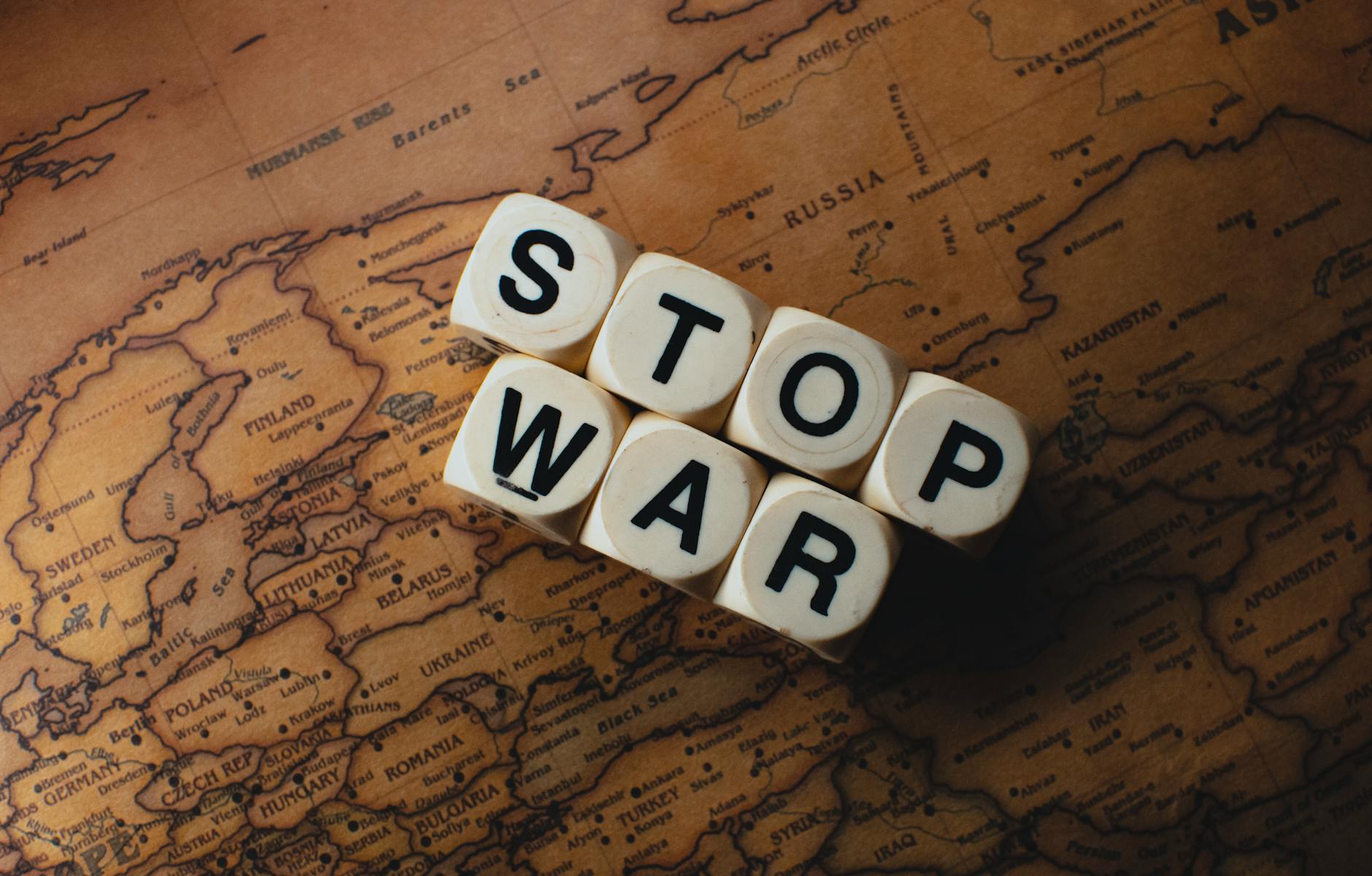
The fabric of global stability is tearing, revealing a landscape of unprecedented conflict and insecurity. What was once a series of isolated flashpoints has metastasized into a systemic crisis, pushing the world to the brink of an unknown future. According to conflict.sbs, as of March 2026, a staggering 46 active armed conflicts rage across 76 countries, marking the highest number of concurrent conflicts since World War II. This escalating chaos is not merely a collection of unfortunate events; it speaks to a deeper, more insidious mechanism at play, orchestrating a new era of global instability under the guise of localized disputes.
The sheer scale of this unraveling is chilling. The Global Conflict Tracker by CFR’s Center for Preventive Action diligently monitors these hotspots, while defconlevel.com tracks over 42 critical global flashpoints. Among the 46 active conflicts, eight are classified as major wars, including the brutal Russo-Ukrainian War, which has claimed over 12,735 lives, and the Middle East Regional War, with more than 3,028 fatalities. The Sudan Civil War has led to 3,207 deaths and displaced 8 million people, while the Myanmar Civil War, Somali Civil War, Congolese Conflicts, Sahel Islamist Insurgency, and the Mexican Drug War continue their devastating trajectories, many of them escalating violently. An additional 11 minor wars, from Afghanistan to an escalating Ecuadorian insurgency, further compound this global conflagration, as reported by conflict.sbs.
This precarious global security environment was catastrophically exacerbated by a specific, calculated event. On February 28, 2026, a large-scale US-Israeli offensive struck Iran, resulting in the deaths of Ayatollah Ali Khamenei and other senior Iranian leaders. As detailed by iss.europa.eu, Iran retaliated swiftly, striking US bases and allies, instantly ratcheting up the risks of a wider regional conflict. This calculated escalation, seemingly emerging from the shadows, ignited a powder keg already primed by years of simmering tensions, demonstrating a stark willingness by certain powers to reshape the geopolitical landscape through force.
The fallout from such a decisive act reverberates globally, exposing the vulnerability of established alliances and critical infrastructure. The European Union, caught entirely off guard and not consulted in the offensive, now grapples with profound implications for regional stability and, crucially, energy security. According to iss.europa.eu, the Strait of Hormuz, through which over 20% of global oil and gas exports pass, along with other strategic products, is now critically imperiled. Europe’s response has been one of shock and a desperate scramble for interpretation rather than concrete action, highlighting a dangerous lack of foresight and agency in the face of these engineered conflicts. The EU is now urged to forge a diplomatic coalition with Gulf states, Turkey, the UK, India, and China to find an “off-ramp,” a testament to the fact that the world is now forced to react to moves initiated by a powerful few.
Global conflict security, characterized by 13 critical factors according to conflictdashboard.org, is not merely suffering from random acts of violence but appears to be undergoing a systematic transformation. The highest number of concurrent conflicts since World War II, as confirmed by conflict.sbs, is not an accident. It is a symptom of deeper forces at work, pulling the strings of nations and economies, orchestrating a new world order through chaos. The question remains: who truly benefits from this widespread instability, and what hidden objectives are being pursued as the world burns? The unfolding narrative suggests a meticulously planned agenda, leaving the global populace to contend with a future shaped by unseen hands and unprecedented violence.
Essential
- As of March 2026, 46 active
[LLM ERROR: ‘parts’]
This unprecedented surge in global conflicts, seemingly disparate yet interconnected, reveals not a series
Sources: cfr.org · defconlevel.com · conflictdashboard.org · conflict.sbs · iss.europa.eu