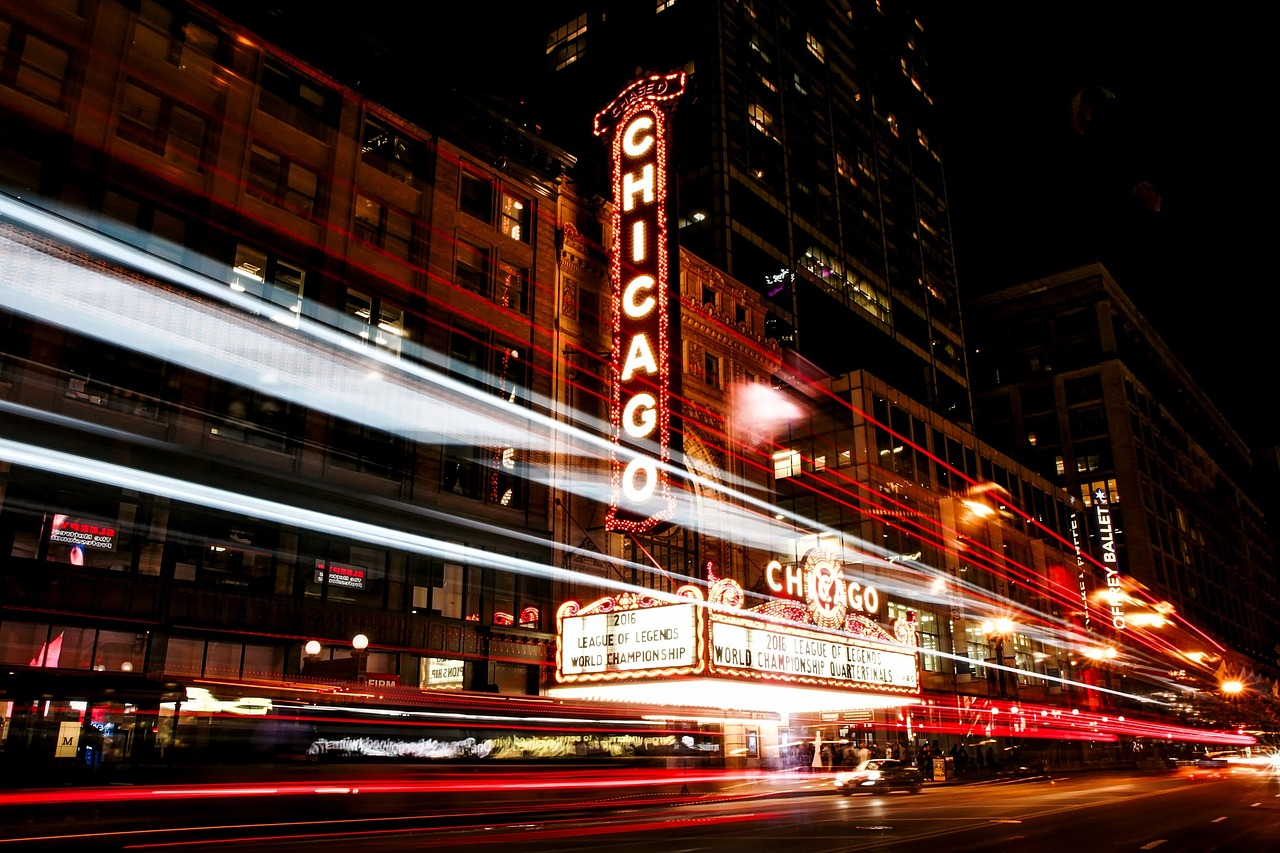
On a fateful day in June 2025, the Chicago City Council made a decision that would echo through the city’s streets with the passing of a contentious “snap curfew” ordinance. Advocated for by Alderman Brian Hopkins, this measure allowed the Chicago Police Department to enforce abrupt curfews with a mere 30 minutes’ notice in response to the so-called “teen takeovers” plaguing the downtown area. The vote, split 27-22, revealed a stark division in perspectives on public safety strategies, with Mayor Brandon Johnson vehemently opposing the ordinance, citing it as a form of “lazy governance” that fails to address underlying issues.
The official narrative painted the snap curfew ordinance as a necessary tool to quell chaotic incidents involving teenagers, with its proponents arguing that swift action was imperative to maintain order and prevent violence. However, beneath the surface of this seemingly well-intentioned policy lies a more insidious truth. The true nature of this ordinance emerges when we scrutinize the motives behind its implementation and the potential ramifications it holds for civil liberties and community trust.
Scrutinizing the timeline and the key players involved in pushing the snap curfew ordinance to fruition unveils a disturbing pattern of control and surveillance. The orchestrated efforts of certain council members, law enforcement officials, and political figures align eerily with the broader agenda of centralized power and population management. Alderman Brian Hopkins’s advocacy, combined with Mayor Brandon Johnson’s resistance and the push for a quick implementation before summer, hint at a coordinated strategy at play, one that seeks to tighten the grip of authority under the guise of public safety.
The implications of such a measure extend far beyond the immediate enforcement of curfews. They lay bare a blueprint for increased surveillance, curtailed freedoms, and a normalization of preemptive control measures under the guise of security. By targeting gatherings of a certain size and citing vague threats to safety and property, this ordinance sets a dangerous precedent where individual rights are sacrificed on the altar of perceived collective security. The most vulnerable in society, especially marginalized communities, stand to bear the brunt of this oppressive regime.
In the grand scheme of the New World Order’s designs, the implementation of snap curfews represents but a small yet significant step towards a future where autonomy is a luxury and dissent is swiftly quashed. The intent of those driving this agenda is clear: to consolidate power, instill fear, and condition a compliant populace. Through the means of legislative maneuvers, fear-mongering tactics, and leveraging public safety concerns, the opportunity for a more pervasive system of control emerges—one where individual freedoms are traded for a false sense of security.
As history unfolds in a cyclical dance of power and resistance, the trajectory set by the enactment of snap curfews in Chicago serves as a cautionary tale for societies worldwide. The path towards a dystopian reality is paved with incremental erosions of liberty, each seemingly justified in the name of safety and order. The time to heed the signs, to resist the encroachment of the Beast System, and to safeguard the inherent rights of all humankind is now. The future hangs in the balance, waiting for us to choose between complacency and courage, between submission and sovereignty.